Imaging Biomarker Shows Promise in Predicting Breast Cancer Drug Response
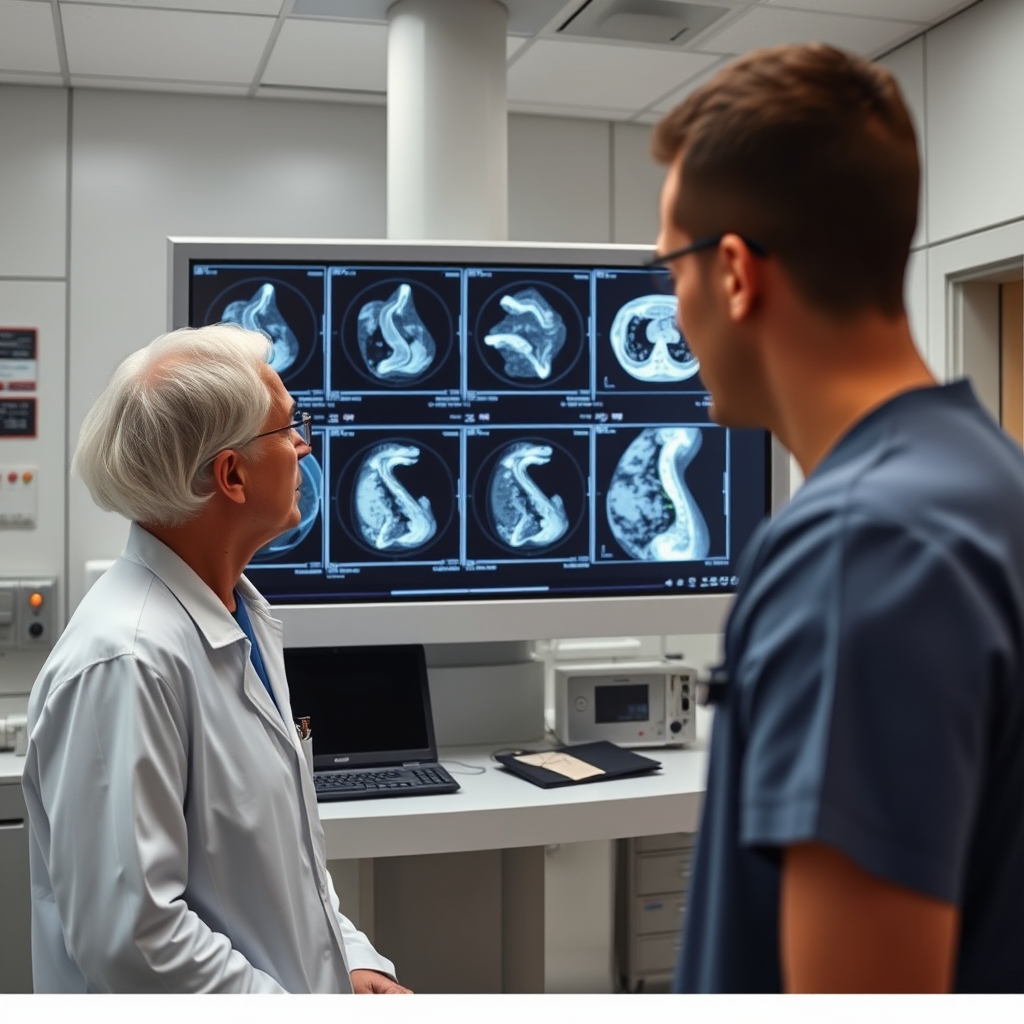
A new imaging biomarker called the Tumour Heterogeneity Index (THI) could help clinicians noninvasively evaluate how breast cancer patients will respond to targeted therapies before treatment begins. Developed by a research team at The Hong Kong Polytechnic University, the technique applies advanced radiomics algorithms to dynamic contrast-enhanced magnetic resonance imaging, known as DCE-MRI, to analyze subtle structural differences within tumors.
Evaluating Response to AKT Inhibitors
In findings published in the journal Breast Cancer Research, investigators evaluated the tool using data from high-risk, early-stage breast cancer patients receiving the investigational AKT inhibitor MK2206 alongside neoadjuvant chemotherapy. The AKT signaling pathway is frequently involved in promoting cancer cell growth and survival, but previous large-scale clinical trials showed variable treatment responses across aggressive subtypes like triple-negative and hormone receptor-negative breast cancer.
According to the study, patients who exhibited a high THI score achieved an estimated pathological complete response rate of 56.1 percent. This outcome was significantly higher compared to patients with low THI scores. Researchers noted that the index outperformed traditional immunohistochemistry receptor testing in identifying suitable candidates for the therapy and characterizing the surrounding tumor microenvironment.
Advantages Over Traditional Biopsies
Traditional tissue biopsies are typically limited to analyzing a localized portion of a tumor, which can sometimes introduce sampling errors due to regional variations. In contrast, the THI approach evaluates the entire tumor noninvasively using standard clinical imaging equipment already implemented in hospital settings. The research team conducted repeatability and reproducibility tests, confirming that the tool maintains stable performance across multiple imaging devices and healthcare institutions.
Monitoring Vascular Changes
In a related study published in Radiology: Artificial Intelligence, the same research group introduced another model called DCE-MRI Vascularisation-based Response Tracking, or DCE-VASC-TRACK. This model tracks longitudinal changes in tumor blood vessels by combining vascular texture features with patient clinical details such as age, hormone receptor status, and functional tumor volume. Investigators observed that this tracking method improved predictions of pathological complete response during neoadjuvant chemotherapy for HER2-negative breast cancer when compared to evaluating tumor size changes alone.
While these imaging developments offer potential pathways toward personalized oncology and may eventually reduce reliance on costly genetic sequencing or repetitive biopsies, further clinical validation across diverse patient cohorts will be necessary before the methods become standard practice in routine healthcare.