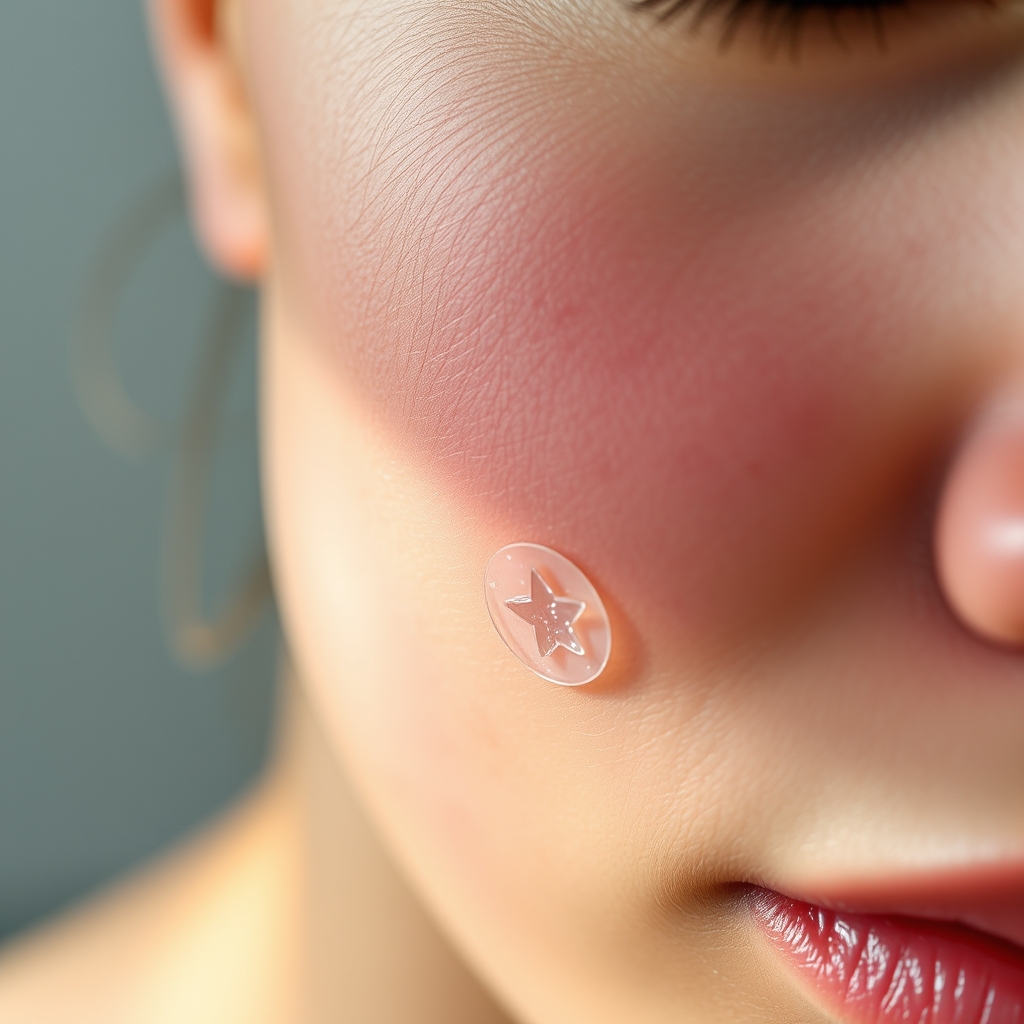
Do Pimple Patches Actually Work? Here Is What the Science Says
Walking down any skincare aisle today, you are bound to encounter an array of colorful, eye-catching pimple patches. Promising to flatten stubborn zits overnight, these little stickers have taken social media by storm, often accompanied by satisfying videos of users peeling away a patch to reveal a calmer complexion underneath. But beyond the viral trends, health experts and researchers are asking a fundamental question: do pimple patches actually work, and how do they impact your skin?
Understanding the Basics of Pimples
To understand how these patches function, it helps to look at what causes a blemish in the first place. A pimple forms when a hair follicle becomes blocked with dead skin cells, oil, and bacteria, leading to localized inflammation, redness, and frequently a pus-filled head. While individual spots go by various names, acne refers to the broader, recurring skin condition involving multiple breakouts, blackheads, and whiteheads.
According to background data, pimples affect an estimated 20.5% of people globally at any given moment and impact up to 85% of adolescents, making it one of the most widespread skin concerns worldwide.
The Science of Hydrocolloid Technology
While pimple patches may feel like a modern aesthetic invention, their underlying mechanism is rooted in decades-old medical wound care. Originally developed as hydrocolloid dressings, these materials were adapted by dermatologists for various skin issues before gaining massive popularity in South Korea and eventually expanding into global markets.
Standard pimple patches consist of a gel-forming matrix—often blending ingredients such as gelatin, pectin, and carboxymethylcellulose—bonded to a flexible, waterproof outer layer. When placed over a blemish, the hydrocolloid absorbs moisture, pulling trapped fluid, oil, and debris out of the pore and locking it securely inside the gel. As the patch absorbs this exudate, it visibly turns white or cloudy. Furthermore, the outer layer serves as a physical barrier, preventing individuals from picking, squeezing, or touching the blemish, which otherwise introduces more bacteria and worsens inflammation.
Some commercial variants are also medicated with active ingredients like salicylic acid, benzoyl peroxide, niacinamide, or tea tree oil to help exfoliate the skin or target acne-causing bacteria.
What the Research Shows
A 2025 review noted that the vast majority of scientific evidence supporting hydrocolloid dressings originates from general wound care rather than targeted acne trials. Furthermore, many studies specifically evaluating pimples are small, manufacturer-funded, and frequently unblinded, meaning participants or researchers knew who was receiving the treatment, which can introduce bias.
Despite these limitations, early findings indicate positive outcomes under specific conditions. One manufacturer-backed trial involving 41 participants found that applying a patch to a blemish that had already come to a head and been popped improved its appearance within a single day. Another small trial tracking 37 individuals over ten days reported that covered pimples were 35% smaller and 44% less inflamed after 48 hours compared to untreated blemishes. By day ten, the treated spots were also less likely to develop post-inflammatory hyperpigmentation.
Experts note that these tools perform best on superficial blemishes that already display a visible white or yellow head, allowing the absorbent gel to reach the surface pus. For optimal results, dermatologists recommend applying a patch to clean, dry skin for six to eight hours or overnight, and discarding it once it becomes swollen and cloudy.
Limitations and When to See a Doctor
While handy for occasional breakouts, patches have distinct limitations. They are generally ineffective for deep, painful cystic acne, where inflammation sits far beneath the surface. Additionally, individuals with sensitive skin, adhesive allergies, or darker skin tones must exercise caution. Skin with higher melanin content is more prone to producing excess pigment in response to irritation or inflammation, potentially worsening dark marks that take longer to fade.
If breakouts fail to improve after a few weeks of consistent cleansing and over-the-counter care, or if blemishes are deep, painful, or causing scarring, health professionals recommend seeking medical advice. A primary care physician or dermatologist can evaluate the underlying causes of persistent acne and recommend a personalized treatment plan.
Source: Medical Xpress