New Study Uncovers Brain Mechanism Driving Pregnancy Food Cravings
For many expectant mothers, sudden and intense cravings for specific foods are a hallmark of the pregnancy experience. While these strong desires for highly palatable items have long been recognized anecdotally, the underlying biological drivers within the brain remain largely mysterious. Recently, a collaborative team of researchers has shed new light on this phenomenon, identifying a specific neurological mechanism that appears to control food-craving behavior during pregnancy using animal models.
The study, published in the scientific journal Nature Neuroscience, was led by Dr. Yanlin He, Director of the Brain Glycemic and Metabolism Control Laboratory at the Pennington Biomedical Research Center. Dr. He collaborated with fellow investigators including Dr. Pingwen Xu from the University of Illinois Chicago and Dr. Chunmei Wang from the Baylor College of Medicine. Together, the research team set out to investigate how physiological shifts during pregnancy influence the brain circuits responsible for food motivation and reward.
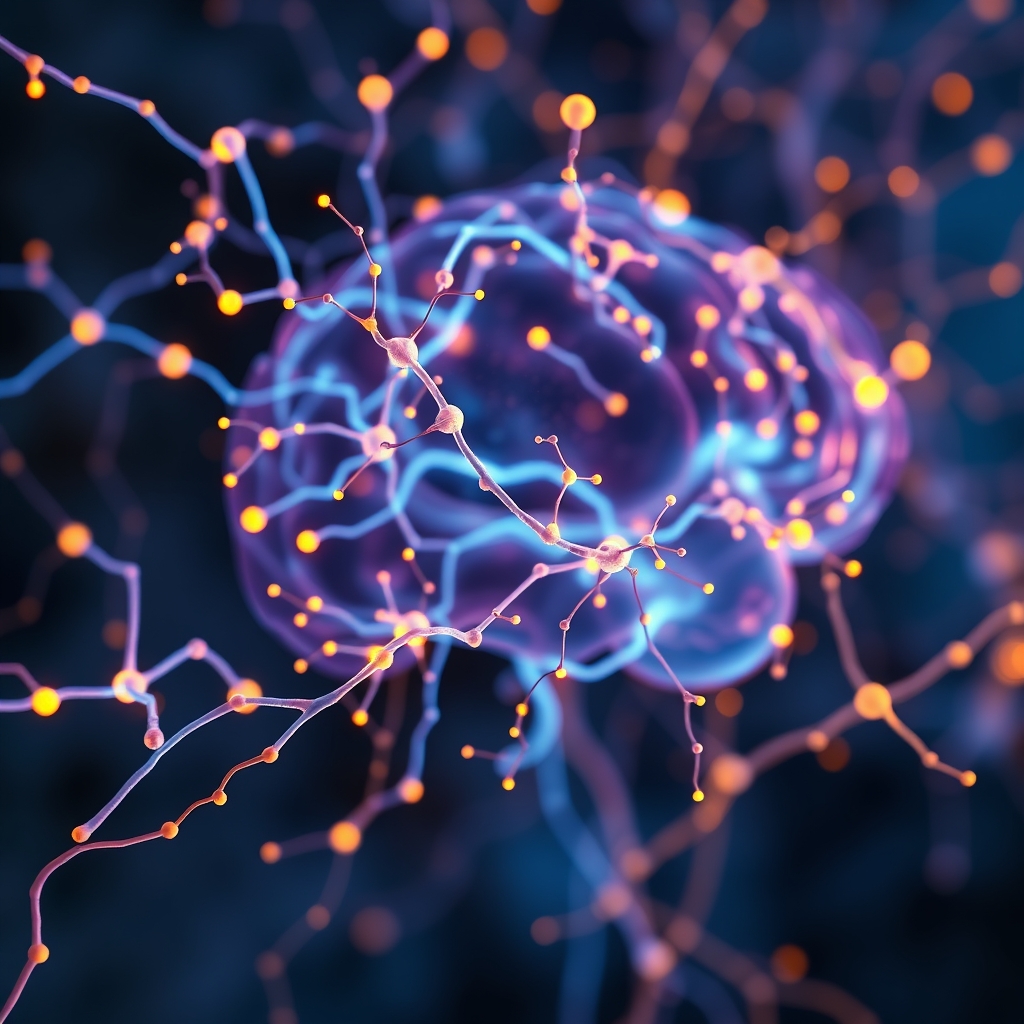
To pinpoint the root cause, the investigators examined serotonin-producing neurons located in a specific region of the brain known as the dorsal raphe nucleus. Their observations revealed that these specific serotonin neurons experienced a significant drop in activity throughout pregnancy, which directly corresponded with an increase in behaviors that mimic human food cravings in animal models. Digging deeper into the cellular mechanics, the team discovered that heightened activity of the SK3 potassium ion channel was responsible for this suppression. Because SK3 regulates whether neurons fire, the elevated channel activity effectively quieted the serotonin neurons in the dorsal raphe nucleus.
To confirm whether SK3 was indeed the primary culprit behind the shift, the researchers conducted targeted experiments. When they genetically removed the SK3 channel specifically from these serotonin neurons, the expected pregnancy-associated drop in neuronal activity was prevented, and food-craving-like behaviors decreased substantially. Conversely, when the team artificially increased SK3 activity in nonpregnant female subjects, it successfully induced changes in both neuronal firing and food-seeking behavior that closely mirrored those observed during pregnancy.
Furthermore, the investigation mapped out a broader neural pathway connecting these dorsal raphe serotonin neurons to the ventral tegmental area, a well-known hub in the brain governing reward and motivation. Activating this specific circuit successfully curbed food-craving behaviors in pregnant models, whereas inhibiting the pathway triggered similar behaviors in nonpregnant subjects. Overall, the findings point toward a cohesive model where pregnancy increases SK3 activity, dampens serotonin neuron output, and subsequently alters signaling through reward-related neural pathways.
While these discoveries provide a foundational understanding of how maternal physiology alters the brain’s motivational circuitry, the authors emphasize important clinical caveats. Because the current data are derived entirely from animal model studies, experts strongly caution that attempting to directly manipulate serotonin levels during pregnancy could carry unforeseen risks. Furthermore, additional investigation is required to fully understand how complex hormonal shifts and other physiological changes influence SK3 activity over the course of gestation.
Looking ahead, the research team hopes to transition their efforts toward human clinical studies at the Pennington Biomedical Research Center. The ultimate goal is to determine whether these neurological insights can be effectively translated into clinical strategies for preventing excessive gestational weight gain and maternal obesity, offering better long-term health outcomes for both mothers and children.
Source: News-Medical.net