Balancing Independent Living and Privacy: How Smart Technology is Evolving for Older Adults
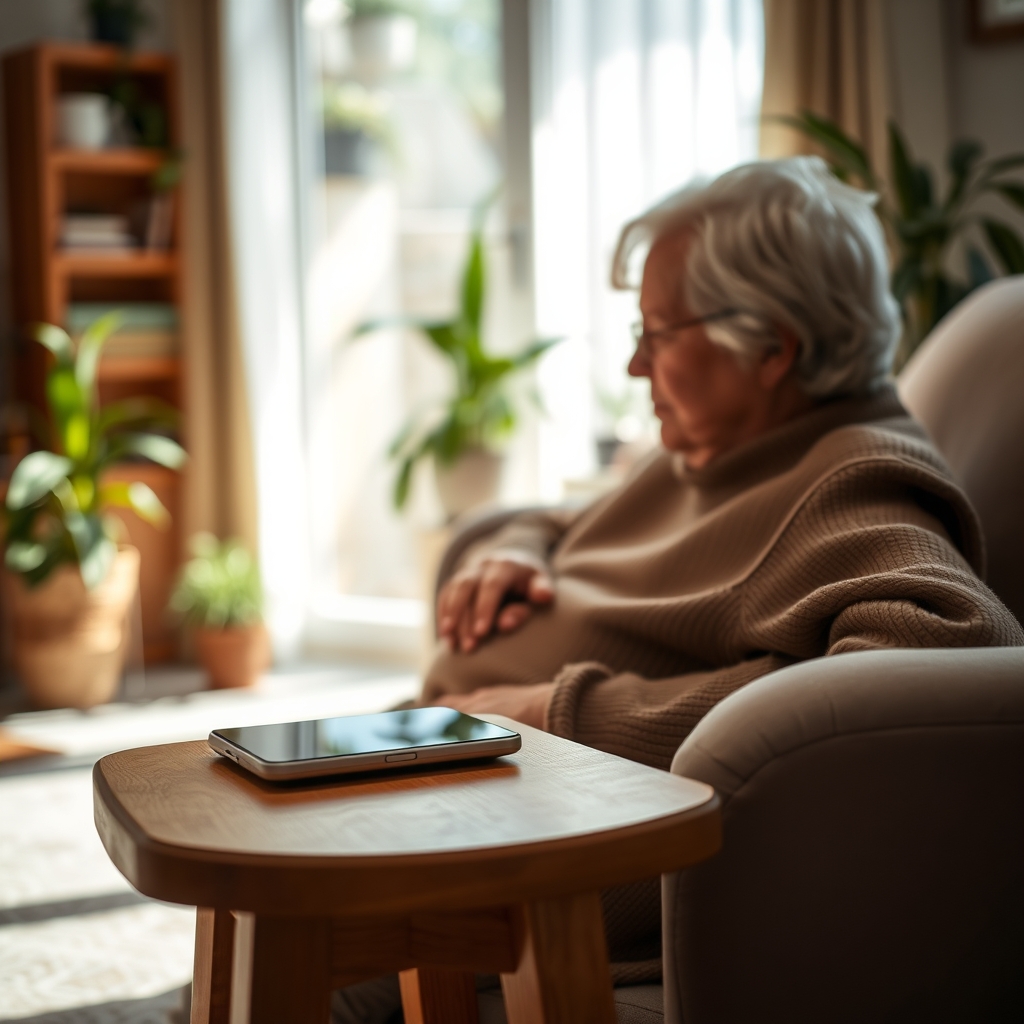
As the global population ages, maintaining independence while ensuring safety remains a primary concern for older adults and their caregivers. Modern smart technologies, ranging from advanced audio systems to artificial intelligence applications, offer promising solutions for detecting emergencies like falls. However, these tools introduce a delicate dilemma regarding personal boundaries, leading experts to question how much monitoring is appropriate within private living spaces.
To address these concerns, the European Cooperation in Science and Technology (COST) launched an initiative known as GoodBrother, officially titled the COST Action Network on Privacy-Aware Audio- and Video-Based Applications for Active and Assisted Living. According to the network’s Action Chair, Dr. Francisco Florez-Revuelta from the University of Alicante, the core challenge centers on designing and implementing monitoring technologies that deliver essential care services while rigorously safeguarding user privacy, dignity, and autonomy.
Integrating Ethics and Privacy from the Start
Historically, legal, ethical, and privacy evaluations frequently occurred only after developers finished building a device. GoodBrother inverted this methodology by embedding privacy considerations directly into the technical development phase from the very beginning. The multidisciplinary network united engineers, lawyers, ethicists, healthcare professionals, social scientists, industry representatives, and end users to establish a cohesive framework connecting core values with practical applications.
To guide researchers and policymakers, the network published several practical resources, including the Trustworthy AAL Design Cards and an accessible booklet titled 50 Questions on Active Assisted Living Technologies. These resources emphasize that modern assistive devices extend far beyond basic motion sensors or alarm buttons. Advanced smart speakers and specialized camera systems can monitor movement patterns rather than recording detailed personal images, thereby reducing surveillance anxiety while still providing reliable safety alerts.
Empowering Early-Career Researchers and Inspiring Future Projects
A significant focus of the GoodBrother initiative involved trusting young researchers with substantial operational responsibilities. Participants actively coordinated working groups, organized international training schools, and contributed directly to scientific outputs. Scholars such as Anto Čartolovni, Associate Professor at the Catholic University of Croatia, noted that leading working groups within the network served as a vital catalyst in shifting their professional focus toward user-centered design, where privacy forms the foundation of user trust.
The collaborative foundation established by GoodBrother has since inspired several follow-up research initiatives across Europe, including:
- MAYA: A Horizon Europe project utilizing a smart mirror and an AI-powered conversational assistant to assist young cancer survivors with long-term health management.
- EMA_FRAILTY: An initiative combining smart sensors and innovative monitoring strategies to detect early indicators of frailty in older adults.
- Science in Diplomacy Network (SiDnet): A COST Action focusing on multilateral policymaking, heavily influenced by the interdisciplinary networking culture pioneered during GoodBrother.
Ultimately, experts emphasize that the future sustainability of assistive technologies relies on maintaining a careful equilibrium between technological innovation and user trust. By prioritizing privacy-first engineering, developers can ensure that smart home innovations function less like invasive surveillance and more like dependable support systems for aging populations.
Source: News-Medical.net