How Social Media Influencers Are Reshaping Health Advice for Young Adults
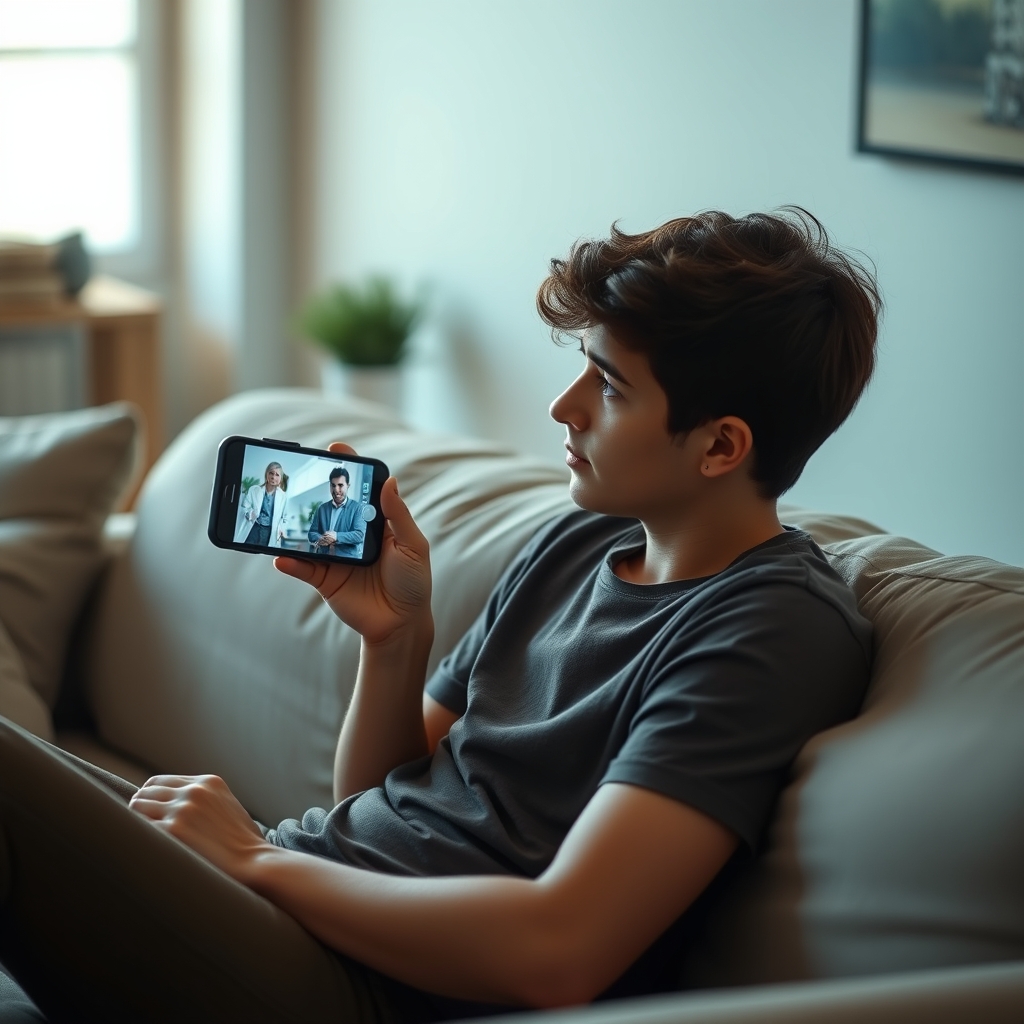
When it comes to receiving guidance about health and wellness, traditional wisdom once pointed straight to trusted physicians, family members, and close friends. However, a significant shift is underway in how young adults absorb and retain health information. According to a study published in the journal Health Communication, young people increasingly recall impactful health messages originating from online strangers and social media influencers rather than traditional medical professionals or personal networks.
Emily Pfender, an assistant professor in the department of communications at the University of Delaware and a researcher on the study, noted that these findings challenge long-held communication models. Traditionally, the Theory of Memorable Messages posits that individuals retain lifelong guidance primarily from trusted authority figures within their established social circles. The new research turns this concept on its head, demonstrating that many young adults are deeply influenced by creators they might have encountered only once.
The study highlights the remarkable sticking power of these digital interactions. Some participants reported recalling specific health tips from online influencers for six years or more. Because social media algorithms serve content dynamically, users often stumble upon these impactful clips without even following the creator’s account.
The content of these memorable messages spans a wide spectrum, yielding both concerning and empowering takeaways. On one hand, researchers identified numerous instances of questionable or problematic trends. These include viral prescriptions such as using mouth tape to physically alter jawlines, drinking specific quantities of spearmint tea to manage polycystic ovary syndrome (PCOS), or cutting out seed oils entirely based on unverified claims. Conversely, other recalled messages fostered positive health autonomy, encouraging young adults to view wellness holistically and incorporate mental health as a vital component of overall physical well-being.
The reliance on internet personalities for health insights raises notable concerns for public health experts. Many of these influencers maintain a direct financial stake in promoting specific products, supplements, or lifestyle regimes to their audiences. When impressionable users internalize medical or nutritional guidance from creators who prioritize monetization over clinical accuracy, the potential for misinformation grows exponentially.
To combat the risks associated with unverified online advice, researchers emphasize the urgent need for enhanced digital health literacy. Interventions must meet young adults where they are, utilizing short-form video formats on platforms like TikTok and Instagram to teach critical thinking skills regarding online health claims. Experts suggest that scientific and medical communities must actively participate in these digital spaces, providing engaging, evidence-based content to counter misleading trends.
Key Takeaways on Digital Health Trends
- Young adults increasingly recall memorable health advice from social media influencers and strangers rather than doctors or family.
- Some viral health messages stick with users for six years or more, despite users often not following the creator.
- Content ranges from problematic beauty and diet trends to empowering holistic wellness concepts.
- Researchers advocate for targeted digital health literacy interventions on platforms like TikTok and Instagram.
Source: News-Medical.net