How Sauce Placement Shapes Diner Perceptions of Food Healthiness
When it comes to enjoying a meal, human perception is driven by much more than taste alone. Our experience of eating is profoundly shaped by a combination of vision, smell, touch, and taste, with visual cues often setting our expectations long before a single bite is taken. Recently, a team of researchers investigated how simple adjustments to food plating—specifically the arrangement of sauces—can significantly alter how diners evaluate the healthiness and overall appeal of a dish.
The study, published in the journal Foods by researchers at the Keio University Global Research Institute (KGRI) in Japan, explored the subtle psychological impacts of chef-designed plating styles. Led by Dr. Kosuke Motoki from Keio University’s Faculty of Business and Commerce, the research team collaborated with experts from the Institute of Science Tokyo, Miyagi University, and professional chef Tatsuya Noda. The experiment took place in a real-world restaurant setting at 8go, located within the Gastronomy Innovation Campus Tokyo (GIC Tokyo).
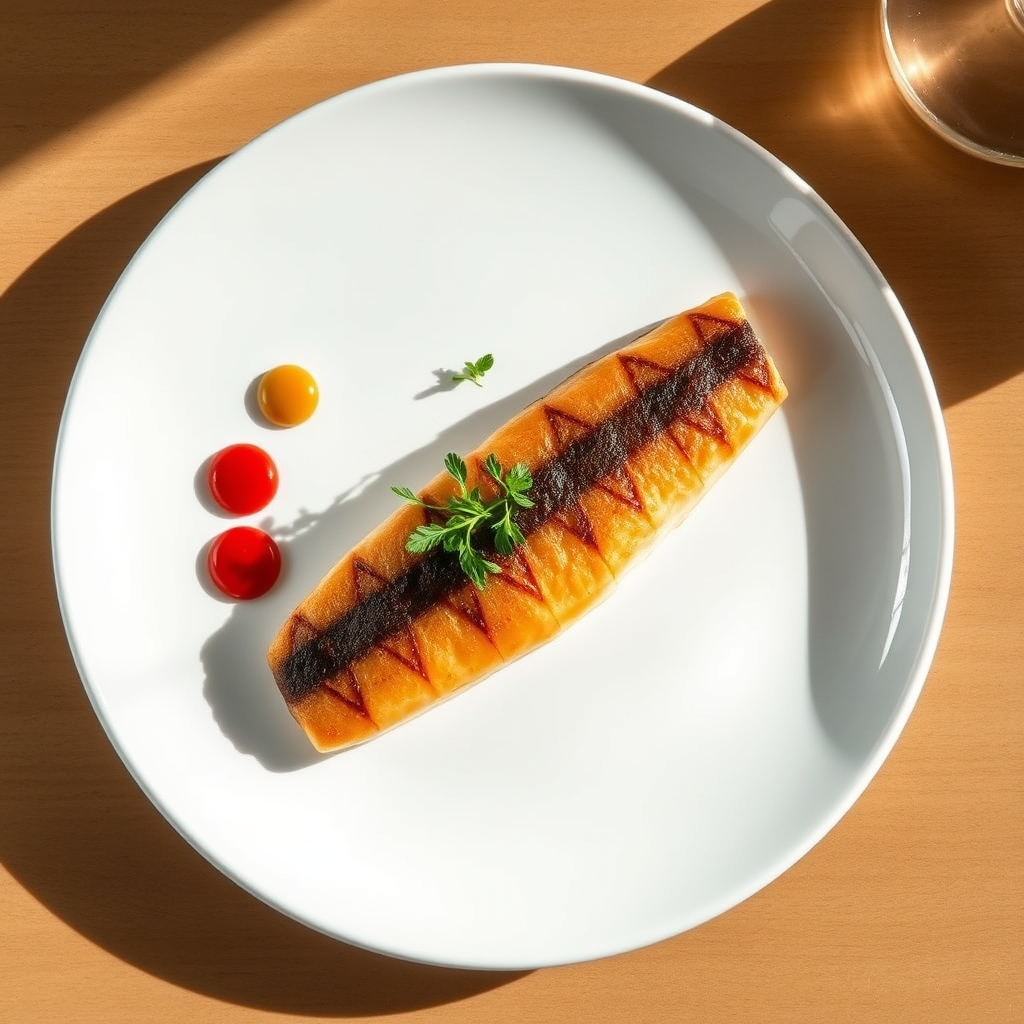
To conduct the evaluation, the research team worked with 57 participants who sampled a sustainable sturgeon-filet dish. Sturgeon meat is frequently underutilized commercially since aquaculture efforts primarily focus on caviar production, making the creative use of sturgeon meat an interesting focus for resource-efficient, sustainability-oriented culinary research. Each participant experienced the exact same dish prepared in two distinct visual presentations: a minimal plating condition, where sauces were placed separately on the side of the plate, and a drizzle presentation condition, where sauces were distributed artistically across the plate and around the food.
Before tasting the food, participants were asked to evaluate various measures, including expected tastiness, perceived healthiness, intention to eat, overall liking, perceived artistic presentation, and willingness to pay. The results revealed a notable difference in visual perception. Participants rated the minimal plating condition as significantly healthier, yielding an average perceived healthiness score of 4.65 out of 7, compared to just 4.05 out of 7 for the drizzled presentation. According to the researchers, this difference remained statistically significant even after correcting for multiple comparisons.
Dr. Motoki noted that the findings demonstrate how minor visual details can powerfully influence first impressions of food. While other pre-tasting measures showed no significant variance, the visual separation of components clearly communicated a healthier impression to the diners. The researchers suggest that this phenomenon may be driven by visual simplicity. Minimal plating can appear less visually dense, which might implicitly connect in the diner’s mind with qualities like simplicity and naturalness. Furthermore, having sauces placed separately could potentially give diners a greater sense of personal control over how much condiment they consume during the meal, though the researchers noted that these underlying mechanisms were not directly tested.
Following the tasting portion of the study, participants also provided post-consumption feedback. The minimal presentation format received slightly higher ratings for overall liking and the intention to eat more. However, the research team emphasized that these post-tasting differences did not remain statistically significant after thorough correction procedures and should therefore be interpreted as preliminary insights.
Crucially, the study authors highlight an important distinction: looking healthier on a plate does not automatically mean a dish is nutritionally healthier. Plating design alters psychological expectations and visual impressions, but it does not change the underlying nutritional composition of the ingredients. Nevertheless, these exploratory findings offer valuable, practical directions for the hospitality and restaurant industry. By understanding how visual arrangements shape consumer expectations, culinary professionals can better utilize thoughtful plating strategies.
The research team concludes that additional studies involving a wider variety of foods, diverse plating styles, and different dining environments will be essential to fully understand the complex relationship between food presentation and consumer behavior. For now, the study serves as a fascinating reminder that we often eat with our eyes first, and how a chef places a simple sauce can change the entire narrative of a meal.
Source: News-Medical.net