New 3D Tissue Model Sheds Light on How Our Sense of Smell Regenerates and Fails
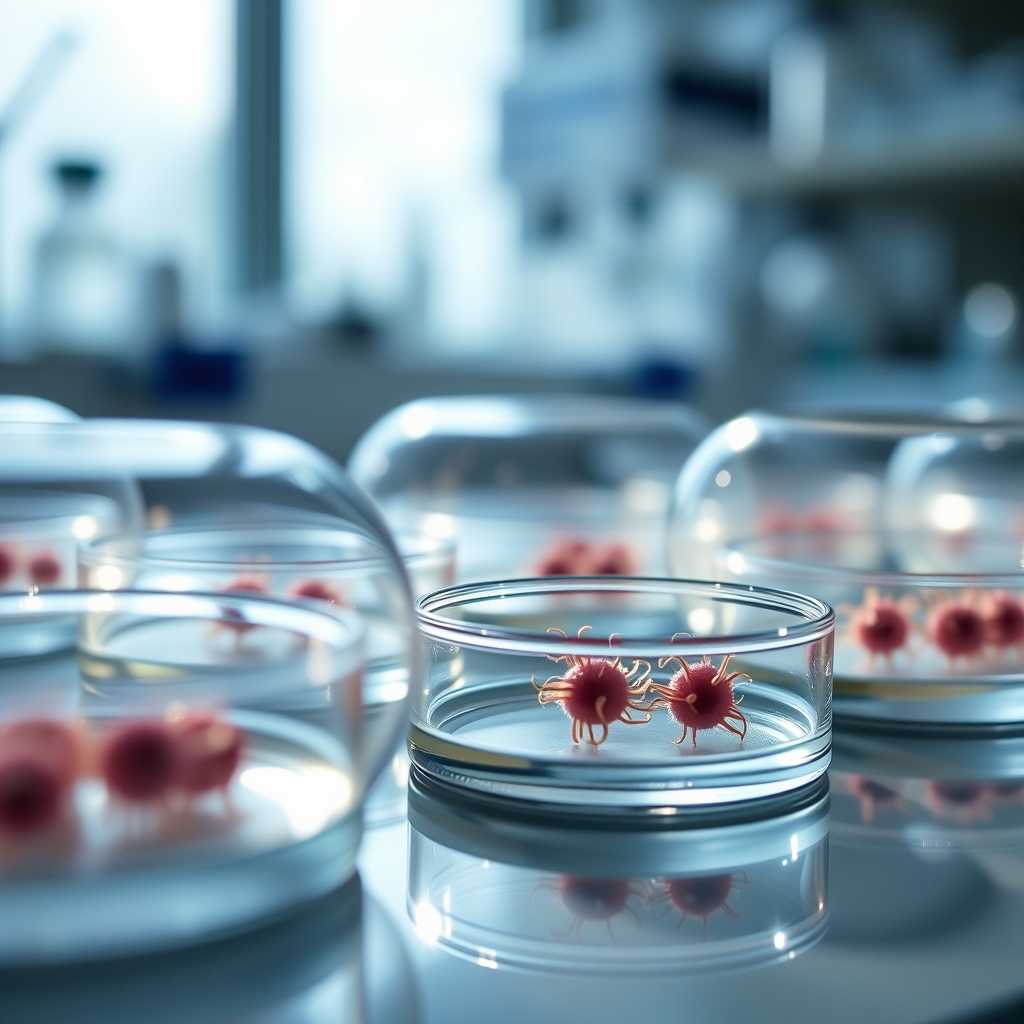
Scientists at Tufts University have engineered an innovative three-dimensional model of nasal tissue that offers fresh understanding regarding how sensory neurons within the nose regenerate and why olfactory function often deteriorates with age or disease. The findings challenge long-held assumptions by revealing that a group of stem cells previously believed to be inactive actually serves an essential function in repairing damaged sensory tissue and supporting the production of new neurons.
Unlike cells in the central nervous system, sensory neurons located in the nasal cavity possess an exceptional capacity to renew themselves throughout an individual’s lifetime, despite being constantly exposed to environmental elements and outside pathogens. However, viral infections such as COVID-19, exposure to toxins, and the natural progression of aging can impair this cellular replication, frequently resulting in a partial or total loss of the sense of smell. To examine the underlying mechanisms of this ongoing regeneration and its eventual failure, the Tufts research team designed an accessible, affordable three-dimensional olfactory tissue model using mouse cells.
The study, published in *Cell Reports Methods*, demonstrates how two unique populations of stem cells in the nose—horizontal basal cells (HBCs) and globose basal cells (GBCs)—interact to construct and maintain fresh smell-sensing nerve tissue. According to senior author Brian Lin, a research assistant professor in the Department of Developmental, Molecular and Chemical Biology at Tufts University School of Medicine and the Graduate School of Biomedical Sciences (GSBS), these two stem cell types rely heavily on one another. Lin notes that horizontal basal cells, a population previously categorized as largely dormant, actually act as a critical pillar for generating new neurons and repairing compromised tissue.
Using their newly established organoid model, the investigators isolated a specific subpopulation of horizontal basal cells marked by the production of the KRT5 protein. They discovered that these particular cells play an active role in forming the organoids. When the researchers selectively depleted this specific cellular subgroup from the cultures, the generation of fresh neurons dropped significantly, confirming that these once-overlooked stem cells are vital participants in the tissue’s regenerative lifecycle.
The research team also analyzed cells gathered from mice of varying ages within the model system. They uncovered a noticeable reduction in the capacity of cells sourced from older subjects to produce new sensory neurons. The investigators hypothesize that this drop is tied to a decline in the globose basal cell population during the aging process, though they emphasize that additional experiments are required to confirm this relationship and explore potential rejuvenation strategies.
Lead author Juliana Gutschow Gameiro, a former visiting Ph.D. student at GSBS from the State University of Londrina in Brazil, focused heavily on ensuring the experimental model could be easily replicated in laboratories with limited funding and equipment. Because conditions like Parkinson’s disease and COVID-19 are frequently linked to olfactory deficits, an expanding community of scientists from diverse disciplines has turned its attention to olfactory epithelial cells. The creators of the model hope that its simplicity will allow researchers worldwide to better investigate how these neural pathways break down.
The ultimate objective for the Tufts team is to translate this mouse-tissue framework into a human organoid platform. Such a tool could eventually allow laboratories to rapidly and affordably screen potential pharmacological treatments for individuals suffering from long-term smell loss. However, obtaining pure olfactory samples from humans remains difficult, as standard nasal sampling methods collect a mixture of respiratory and olfactory stem cells that are challenging to separate. The team’s upcoming work will focus on developing a straightforward, cost-effective technique to isolate human olfactory stem cells so they can be successfully cultivated in a laboratory setting.
Source: ScienceDaily Health & Medicine