New Study Examines Intersection of Climate Stress, Poverty, and Substance Use in Northwest Nigeria
A recent cross-sectional study published in the Journal of Public Health in Africa has explored the complex relationships between climate vulnerability, poverty, psychological distress, and substance use in northwest Nigeria. Conducted by psychiatrists and public health researchers, the investigation represents one of the largest efforts of its kind in West Africa, surveying 20,000 adults across 40 communities in the Kano, Kaduna, and Katsina states.
Evaluating Regional Vulnerability and Hardship
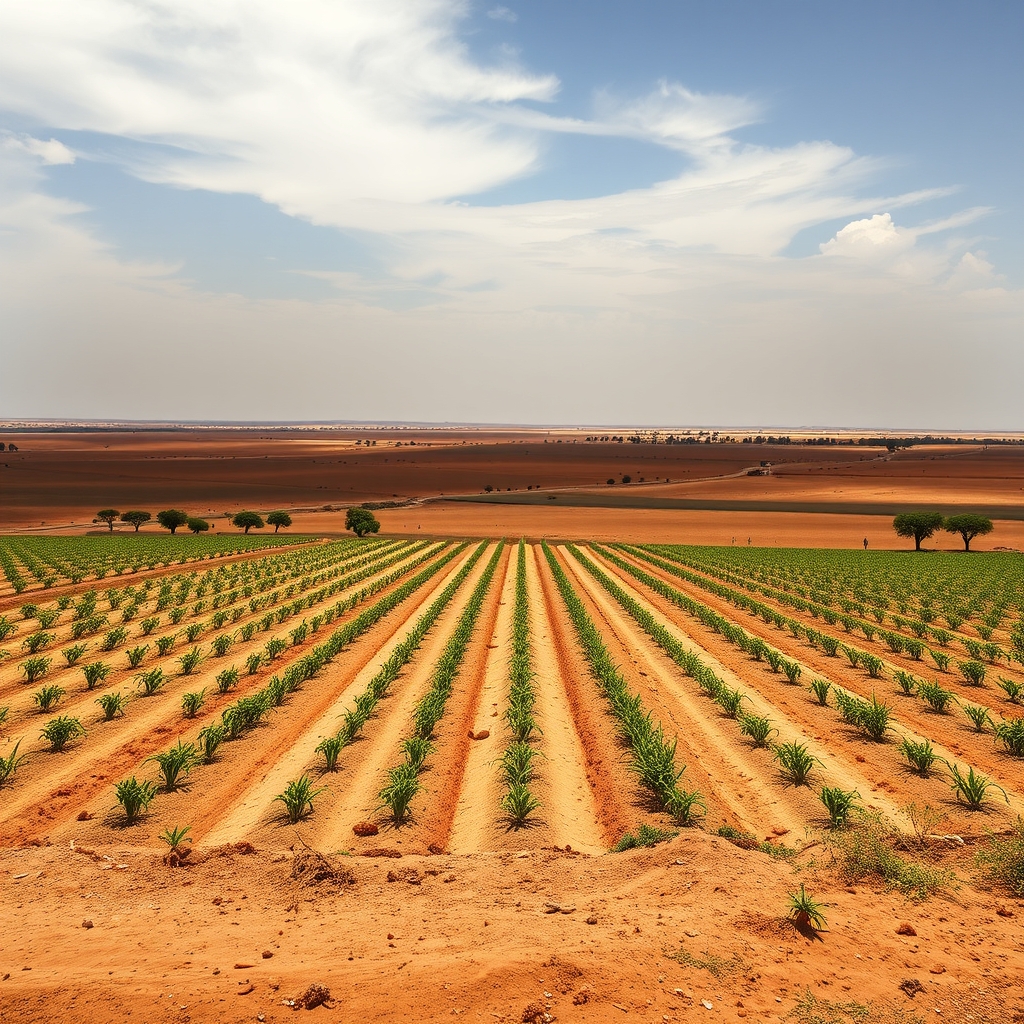
The semiarid Sahel belt region relies heavily on rain-fed agriculture, making local populations particularly vulnerable to climate variability and environmental shifts. To evaluate the living conditions and well-being of residents, the research team utilized several standardized tools. A multidimensional poverty index assessed deprivation beyond mere income, factoring in education, health care, and basic living standards. Psychological distress was measured using the Kessler psychological distress scale, while the alcohol, smoking and substance involvement screening test identified potential substance use patterns.
According to the findings, over 85% of surveyed participants experienced profound multidimensional poverty, significantly exceeding the national average. Furthermore, 45.2% of respondents scored within the high range for symptoms of anxiety and depression over the previous month, pointing to elevated rates of common mental health challenges in climate-stressed farming communities.
Substance Use and Coping Strategies
The screening data revealed that 18.5% of participants engaged in high-risk substance use. Cannabis was reported by 12.4% of individuals, followed by prescription opioids such as tramadol at 9.1% and alcohol at 7.8%. Researchers noted that relying on prescription medications without medical supervision introduces serious risks regarding dependence and overdose.
When assessing how respondents managed daily pressures, the study utilized a coping strategies inventory. A majority of respondents, approximately 67.5%, leaned primarily on unhealthy coping mechanisms, such as avoidance or behaviors offering temporary relief but compounding long-term difficulties.
Study Limitations and Interconnected Solutions
Study authors emphasized that because the investigation relied on a cross-sectional design capturing a single snapshot in time, the findings demonstrate correlations rather than direct causation. While the data highlights clear patterns associating poverty, psychological distress, and substance use, longitudinal research following individuals over extended periods would be necessary to establish a definitive chain of events.
Public health experts suggest that addressing these intersecting challenges requires coordinated approaches. Recommendations include integrating mental health and substance use screenings into climate adaptation initiatives, expanding livelihood diversification programs to reduce reliance on vulnerable agriculture, and training community health workers to identify and refer individuals needing support.
- Cross-sectional study surveyed 20,000 adults across 40 communities in northwest Nigeria.
- Over 85% experienced multidimensional poverty, and 45.2% reported high psychological distress.
- High-risk substance use was identified in 18.5% of participants, underscoring the need for integrated health and social interventions.