FDA Approves Providence Medical Technology’s CORUS PCSS 3D-T Spinal Stabilization Device
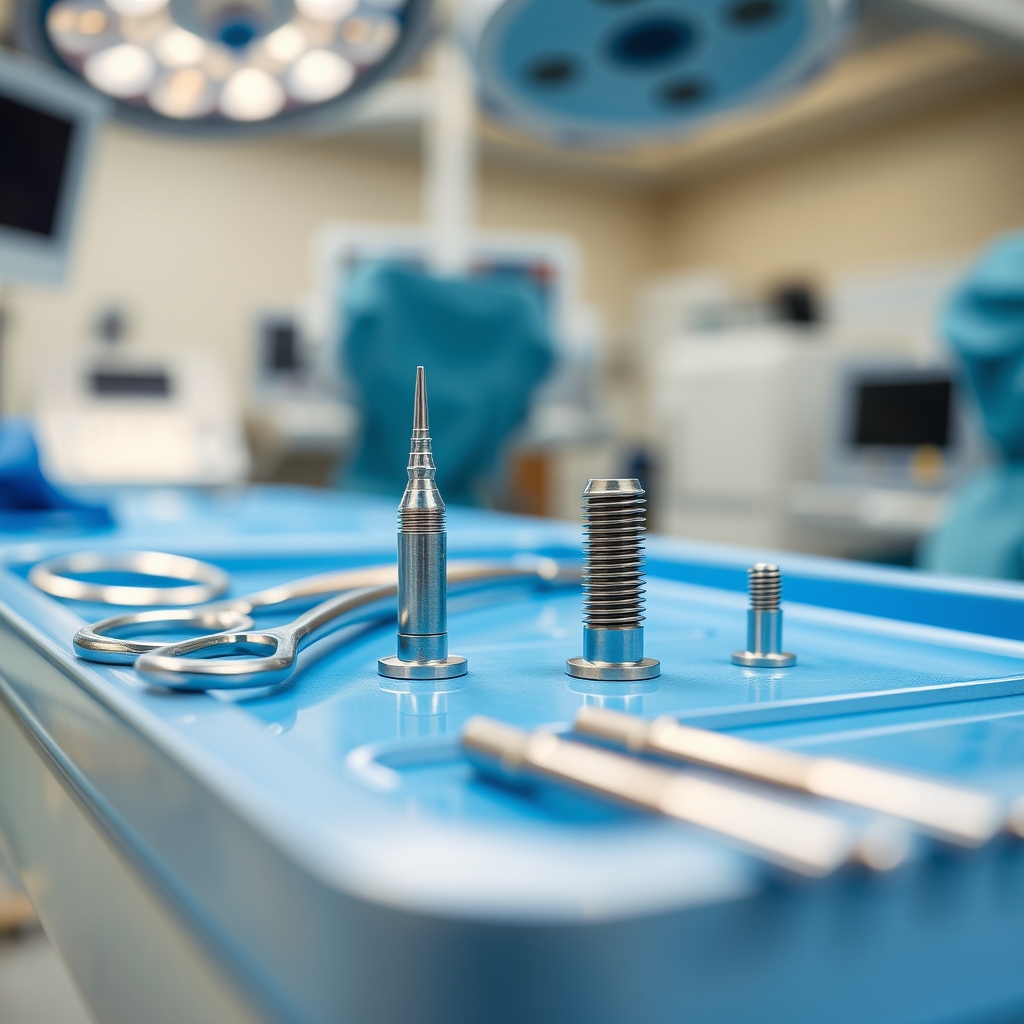
The US Food and Drug Administration (FDA) has granted 510(k) clearance to Providence Medical Technology for the CORUS Posterior Cervical Stabilization System (PCSS) 3D-T. The medical device is indicated to stabilise and immobilise spinal segments alongside posterior cervical fusion in patients suffering from cervical degenerative disc disease. According to the manufacturer, the bilateral implant is produced with a 3D porous titanium structure and incorporates integrated screw fixation as a nonsegmental posterior instrumentation tool.
Design and Engineering Features of the Implant
Supplied in a single-use, sterile-packaged kit, the CORUS PCSS 3D-T features an internal lattice engineered to replicate cancellous bone. This design aims to facilitate bone ingrowth, hold internal bone graft, and distribute mechanical load evenly across variable patient anatomy. Providence Medical Technology co-founder Bruce McCormack noted that the implant provides 1.5 times the surface area and eight times the surface roughness of the original machined implant, alongside internal space to pack bone graft.
Clinical Background and Evidence
The recent regulatory clearance builds upon clinical data derived from earlier-generation iterations of the CORUS PCSS device. Providence Medical Technology president and CEO Lane Major stated that the platform is supported by Level 1 randomized clinical trial evidence. Published findings from studies evaluating the earlier posterior device combined with multilevel anterior fusion demonstrated higher fusion rates at 12 and 24 months, as well as a reduced surgical revision rate at two years, compared to anterior fusion alone. However, patients and clinicians should note that specific long-term outcomes and post-market safety data for the newly cleared 3D-T iteration will continue to be evaluated as the device enters clinical practice.
Company Focus and Total Segmental Fusion
Providence Medical Technology specializes in supplemental posterior fixation and fusion systems. The company pairs posterior instrumentation with anterior surgical approaches in its Total Segmental Fusion technique. The stated goal of this surgical philosophy is to raise overall fusion rates and decrease subsequent surgical revisions, though individual patient outcomes depend on surgical technique, anatomy, and overall health status.
- FDA 510(k) clearance granted for the CORUS PCSS 3D-T device.
- Indicated for stabilizing spinal segments during posterior cervical fusion.
- Features a 3D porous titanium structure designed to encourage bone ingrowth.