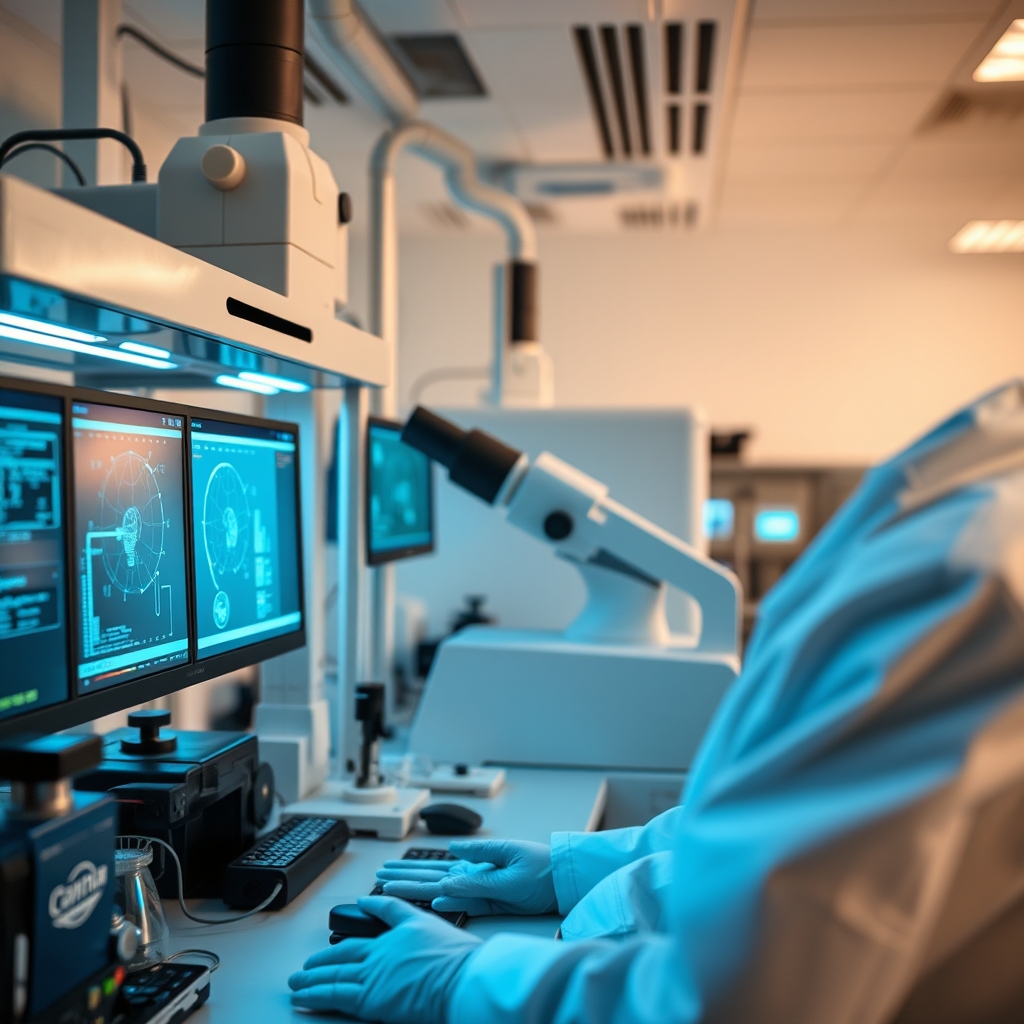
Exploring the Potential of Neurotechnology in Mental Health Care
Mental health disorders remain one of the most significant health challenges globally, with the World Health Organization estimating that over one billion people are currently affected. Among these conditions, anxiety and depression are the most prevalent, creating an urgent need for rapid diagnoses and effective treatments. Recent perspectives from researchers highlight how emerging neurotechnologies could eventually transform clinical approaches to these widespread psychological conditions.
The Promise of Advanced Brain Measurements
According to Sandra Klonteig, a research scientist at SINTEF Digital, the untapped potential within neurotechnology offers promising avenues for the future of mental healthcare. While the human brain is remarkably complex, it is also vulnerable to injuries and disorders that severely impact daily functioning. Investigators are increasingly examining whether advanced tools can measure brain activity patterns to improve both assessment and ongoing treatment monitoring.
Researchers are exploring various non-invasive methods to better understand the neural mechanisms underlying conditions like depression and anxiety. These approaches include functional near-infrared spectroscopy (fNIRS), which measures cerebral blood flow to identify active brain regions, and eye-tracking technologies designed to study attentional bias—the psychological tendency to focus disproportionately on negative stimuli in one’s environment.
Toward More Personalized Interventions
A major limitation in current psychiatric care is the trial-and-error period often required to find an effective therapeutic regimen. Patients frequently spend weeks or months waiting to see if a specific intervention works, enduring significant uncertainty. Experts suggest that future neurotechnological applications might eventually help clinicians detect biological shifts in the brain before visible clinical symptoms improve or deteriorate.
By tracking abnormalities in functional brain networks—how distinct areas of the brain communicate and collaborate—researchers hope to gain objective insights into treatment efficacy. However, scientists emphasize that these methods are still part of a rapidly evolving research landscape and require further development before becoming standard clinical practice. Combining behavioural measurements with non-invasive sensor headgear represents a key area of ongoing exploration for multidisciplinary research teams aiming to refine future mental health interventions.