Researchers Uncover How Distantly Related Plants Independently Evolve Complex Medicinal Compounds
An international team of researchers has mapped out how two evolutionary distant plant species independently developed the ability to synthesize chemically complex substances long utilized in traditional medicine. The findings shed light on the fascinating ways nature duplicates valuable biochemical processes and could eventually pave the way for large-scale laboratory production of important pharmaceutical compounds.
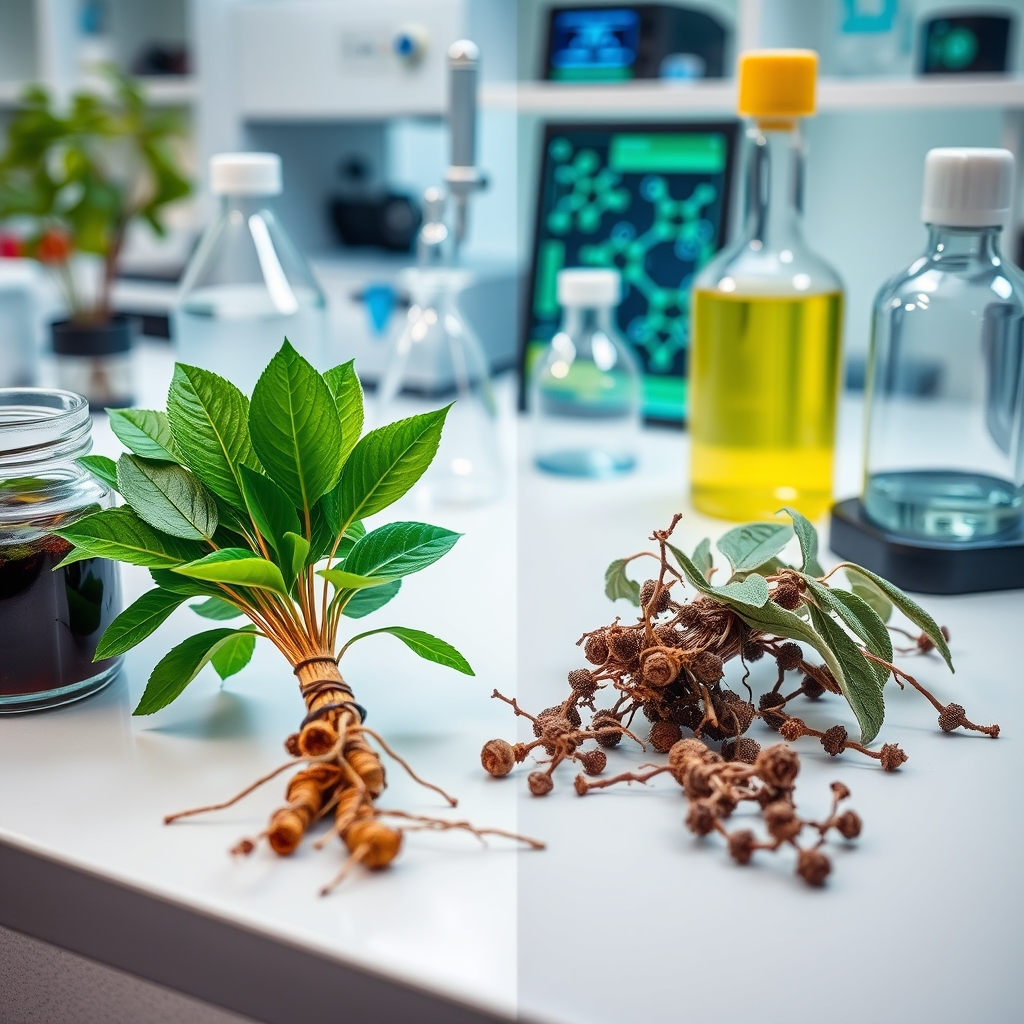
The study, conducted by scientists at the Max Planck Institute for Chemical Ecology in Jena, Germany, focused on ipecacuanha alkaloids. These compounds occur naturally in two distinct medicinal plants: ipecac (Carapichea ipecacuanha), a member of the gentian family, and the sage-leaved alangium (Alangium salviifolium), which belongs to the dogwood family and is heavily featured in Ayurvedic practices. Historically, extracts from these plants—particularly ipecac syrup—served as pharmacy-only medications used in North America to induce vomiting following accidental poisonings. The active emetic ingredients responsible for this effect are cephaelin and emetine, both stemming from the precursor protoemetine. However, the precise biological machinery required to manufacture these substances remained largely a mystery.
Maite Colinas, first author of the study and project group leader in the Department of Natural Product Biosynthesis at the Max Planck Institute, noted that the last common ancestor shared by these two species lived more than 100 million years ago. Because of this vast evolutionary gap, the research team hypothesized that the plants developed separate methods for producing the alkaloids. To test this theory, the investigators analyzed plant tissues, comparing areas with high concentrations of the compounds against those with low concentrations to pinpoint active genes. Through stepwise reconstruction in model plants, the team mapped the biosynthetic pathways in both species.
The investigation revealed several unexpected elements. Contrary to initial assumptions, the very first step of the biosynthesis process does not rely on an enzyme; instead, it happens spontaneously. Furthermore, the pathway involves an unusual sugar-cleaving enzyme with a three-dimensional structure entirely distinct from any other known proteins performing the same catalytic reaction. Maite Colinas explained that this specific class of enzymes typically plays no role in generating natural plant products, which explains why it was the final component identified by the team.
Researchers also discovered a clever protective mechanism used by the plants. The sugar-cleaving enzyme is located within the cell nucleus, while its target substrate is housed separately inside the vacuole. This spatial separation prevents the accumulation of toxic reactive substances under normal conditions. If a herbivore, such as a caterpillar, bites into the foliage, the plant cells rupture, bringing the enzyme and substrate together. This immediate reaction forms defensive compounds only when danger arises.
By comparing the underlying genetic and enzymatic profiles of both plant species, the researchers confirmed that the production of these identical alkaloids evolved independently. Sarah O’Connor, head of the Department of Natural Product Biosynthesis at the institute, emphasized the broader significance of the discovery. Because the pathways evolved separately, they can serve as a robust model for studying how natural product pathways develop across the plant kingdom. Additionally, downstream metabolites found in Alangium—such as tubulosin—exhibit intriguing pharmacological properties but remain understudied due to their scarce availability in nature. Unlocking these pathways brings scientists closer to manufacturing these rare substances at scale for future medical evaluations.
Key Takeaways on Plant Alkaloid Evolution
- Researchers mapped the synthesis of ipecacuanha alkaloids in two unrelated plant species: ipecac and sage-leaved alangium.
- Despite producing the same medicinal compounds, the two plants use different enzymes and independent evolutionary pathways.
- Spatial separation of enzymes and substrates inside plant cells acts as a natural defense system against herbivores.
- Unlocking these natural pathways could eventually allow large-scale production of rare pharmaceutical compounds for detailed medical research.
Source: ScienceDaily Health & Medicine