How Spending Time in Nature Can Help Manage Chronic Back Pain
Living with chronic back pain can feel all-encompassing, often leaving individuals physically exhausted and socially isolated. While conventional treatments remain vital, researchers are increasingly exploring holistic approaches to help patients cope with persistent discomfort. A study published in The Journal of Pain sheds new light on a refreshing, accessible coping mechanism: spending time in nature.
Conducted by experts in pain management and environmental psychology at the University of Plymouth and the University of Exeter, the study investigated the role natural environments play in everyday pain management. The researchers interviewed 10 individuals who had experienced chronic lower back pain for periods ranging from five to 38 years. By speaking directly with those living with long-term discomfort, the team hoped to understand how outdoor spaces influence physical and psychological coping strategies.
The Therapeutic Benefits of Green Spaces
The findings revealed that interacting with nature offers multiple layers of relief for those dealing with persistent physical pain. Participants who spent time in their own gardens reported noticeable improvements in their general health and well-being. However, individuals who immersed themselves in larger green spaces, such as forests, described even more profound effects. In these expansive environments, participants felt they could truly lose themselves, allowing them to shift their mental focus away from their pain levels and toward their surroundings.
Furthermore, interviewees highlighted several specific ways natural settings improved their quality of life:
- Social connection: Getting outside enabled participants to connect with others on a social level, combating the isolation that frequently accompanies chronic pain.
- Mental distraction and escapism: Natural surroundings provided a welcome distraction from daily stressors and a psychological break from the relentless nature of chronic discomfort.
- Pleasant physical activity: Many participants preferred exercising in scenic natural surroundings rather than traditional indoor settings like gyms.
-
Sensory tranquility: Elements such as fresh air, the visual presence of water, and natural sounds helped relieve anxiety and stress exacerbated by high pain levels.
Addressing Accessibility and Health Equity
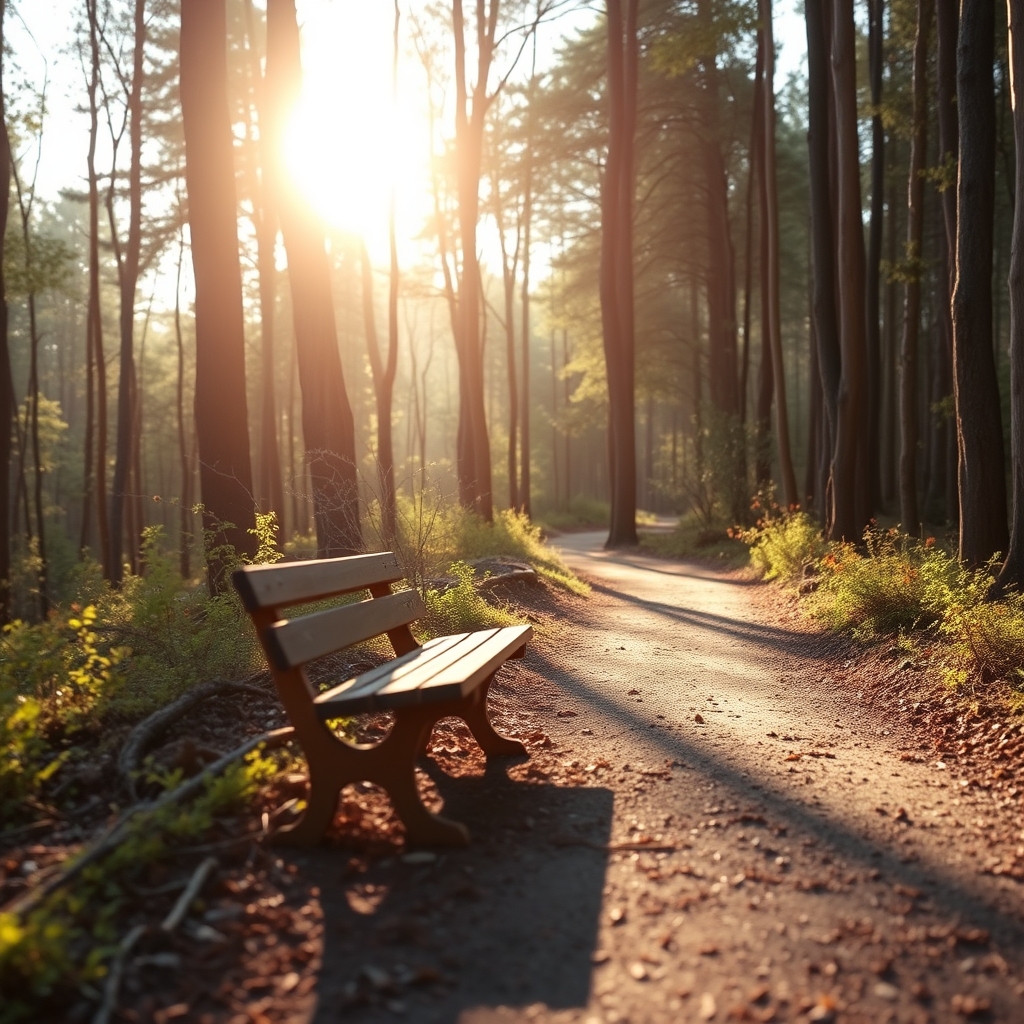
Despite these clear advantages, the study also uncovered significant barriers that prevent many chronic pain sufferers from enjoying the outdoors. Participants expressed concerns regarding the accessibility of various natural spaces. Factors such as uneven or unsteady terrain, a steep physical effort to leave the home, and an insufficient number of resting benches made some individuals far less inclined to visit certain parks or trails.
Dr. Sam Hughes, Senior Lecturer in Pain Neuroscience at the University of Exeter and senior author of the study, emphasized the importance of addressing these health equity challenges. He noted that physical obstacles can prevent vulnerable populations from experiencing the restorative properties of nature.
Alexander Smith, a PhD researcher in the University of Plymouth’s School of Psychology and lead author of the study, acknowledged the heavy toll of lower back pain. “Lower back pain, like many other forms of physical discomfort, can be debilitating, isolating and exhausting,” Smith explained. He noted that while nature offers a promising holistic avenue for relief, simple infrastructure improvements—such as better walking paths and added seating—are essential to make these spaces welcoming to everyone.
Looking Ahead: Technological Innovations in Pain Management
To bridge the gap for individuals who cannot easily leave their homes or navigate rugged landscapes, the research team is actively looking toward technology. Researchers are currently collaborating with chronic pain patients to develop and test virtual reality (VR) innovations. These immersive tools aim to replicate the sights and sounds of nature, allowing individuals to experience the psychological and physiological benefits of green spaces without needing to travel or encounter physical barriers.
Ultimately, the study’s authors recommend that patients and clinicians give greater consideration to nature as a complementary element in comprehensive treatment plans. By combining environmental adaptations, thoughtful urban planning, and cutting-edge technological solutions like virtual reality, healthcare providers may soon offer more inclusive and multifaceted strategies for managing chronic pain.
Source: ScienceDaily Health & Medicine