Simple Handgrip Test Offers New Clues to Long COVID Muscle Dysfunction
A simple handgrip evaluation could soon provide clinicians with a practical method to gauge muscle function and understand symptom severity in individuals suffering from post-COVID syndrome, commonly known as long COVID. According to a recent observational study published in Scientific Reports, researchers at the Technical University of Munich in Germany have found that weaker grip strength and rapid muscle fatigue are closely linked to more severe long COVID symptoms, shedding light on the physiological challenges of recovery.
Understanding Long COVID and Muscle Impairment
Post-COVID syndrome affects millions globally, encompassing a wide range of persistent symptoms that develop within three months of an initial SARS-CoV-2 infection, last for at least two months, and disrupt daily routines. Common complaints include chronic fatigue, muscle pain, cognitive dysfunction, headaches, and post-exertional malaise. Many of these patients also meet the criteria for myalgic encephalomyelitis/chronic fatigue syndrome, or ME/CFS, a debilitating multisystem condition.
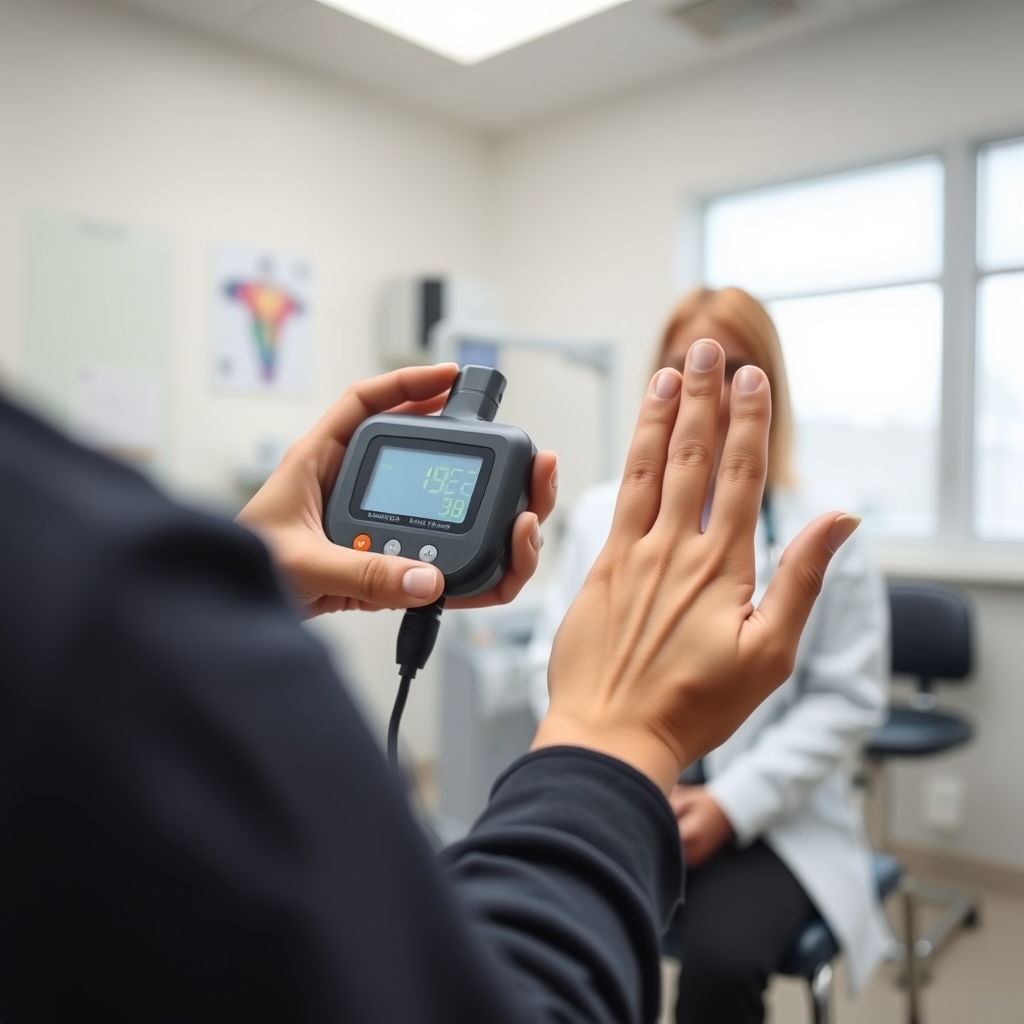
While the exact physiological pathways remain under investigation, experts believe that endothelial dysfunction—the impairment of the inner lining of blood vessels—and persistent inflammation contribute heavily to these ongoing struggles. When microvascular blood flow is compromised, oxygen and nutrient delivery to skeletal muscles drops, leading to accelerated fatigue and diminished strength. To test these physical parameters objectively, researchers turned to digital hand dynamometers to measure handgrip strength, fatigability, and recovery rates.
Key Findings from the Observational Study
The study evaluated 102 long-COVID patients, consisting of 77 women and 25 men with a median age of 41.5 years and a median symptom duration exceeding 400 days. Participants completed a series of maximal handgrip contractions across two distinct sessions using their dominant hand, while researchers tracked patient-reported outcome measures covering quality of life, mental health, and fatigue severity.
The data revealed significant correlations between physical performance and clinical status:
- Patients with lower mean handgrip strength experienced more severe overall long-COVID symptoms.
- Higher symptom severity scores correlated directly with greater muscle fatigability during repetitive gripping tests.
- Out of 101 patients assessed for overlapping ME/CFS, 62 individuals met diagnostic criteria and displayed significantly lower grip strength, greater muscle fatigue, and poorer strength recovery compared to patients without ME/CFS.
However, investigators noted that while these correlations are statistically meaningful, the predictive value for individual patients remains modest, meaning handgrip tests should serve as a supplementary clinical indicator rather than a standalone diagnostic tool.
Biomarkers, Gender Differences, and Rehabilitation
The Munich research team also analyzed various blood biomarkers associated with inflammation and vascular health. They discovered elevated levels of intercellular adhesion molecule-1, a marker of endothelial activation, in patients who struggled with muscle recovery. Additionally, among patients with ME/CFS, lower levels of vascular endothelial growth factor tended to correlate with greater muscle fatigue.
Gender-specific analyses uncovered distinct biological patterns. In male patients, higher handgrip strength showed a positive association with ferritin, an iron-storage protein linked to inflammation, while platelet counts showed an inverse relationship with muscle recovery. Conversely, in female participants, handgrip strength exhibited a negative association with antibodies targeting the SARS-CoV-2 spike S1 protein, suggesting that viral persistence or immune responses might uniquely influence female muscle strength.
Ultimately, the researchers emphasize that handgrip measurements could help guide tailored rehabilitation strategies. Because patients experiencing post-exertional malaise face unique physical risks from conventional exertion, identifying baseline muscle dysfunction through simple assessments can help medical professionals design safer, more personalized recovery programs.
Source: News-Medical.net