How Exercise and Peer Support Help Young Adult Cancer Survivors Navigate Life After Treatment
Navigating life after beating cancer presents unique obstacles, particularly for adolescents and young adults. A qualitative interview study recently published in Frontiers in Adolescent Medicine sheds light on how young cancer survivors cope with everyday stress, pointing to physical activity and community connection as vital lifelines. Researchers explored the lived experiences of 19 adolescent and young adult cancer survivors, revealing how shared understanding, exercise routines, and supportive accountability can assist individuals in managing the psychological hurdles that persist long after treatment ends.
Understanding the Challenges of Young Adult Survivorship
The incidence of cancer among adolescents and young adults is on the rise, with categories such as breast, thyroid, and testicular cancers accounting for a significant portion of diagnoses. Thanks to medical advancements, survival rates for this demographic are remarkably high, with five-year relative survival estimates reaching roughly 86%. However, entering survivorship during emerging adulthood introduces complex social, physical, and psychological stressors. Investigators note that many young survivors face elevated rates of anxiety, depression, and general psychological distress. Disrupted education, fertility concerns, and the constant fear of cancer relapse frequently disrupt personal autonomy and long-term life planning, leaving many individuals with unmet emotional support needs.
The Role of Exercise in Daily Stress Management
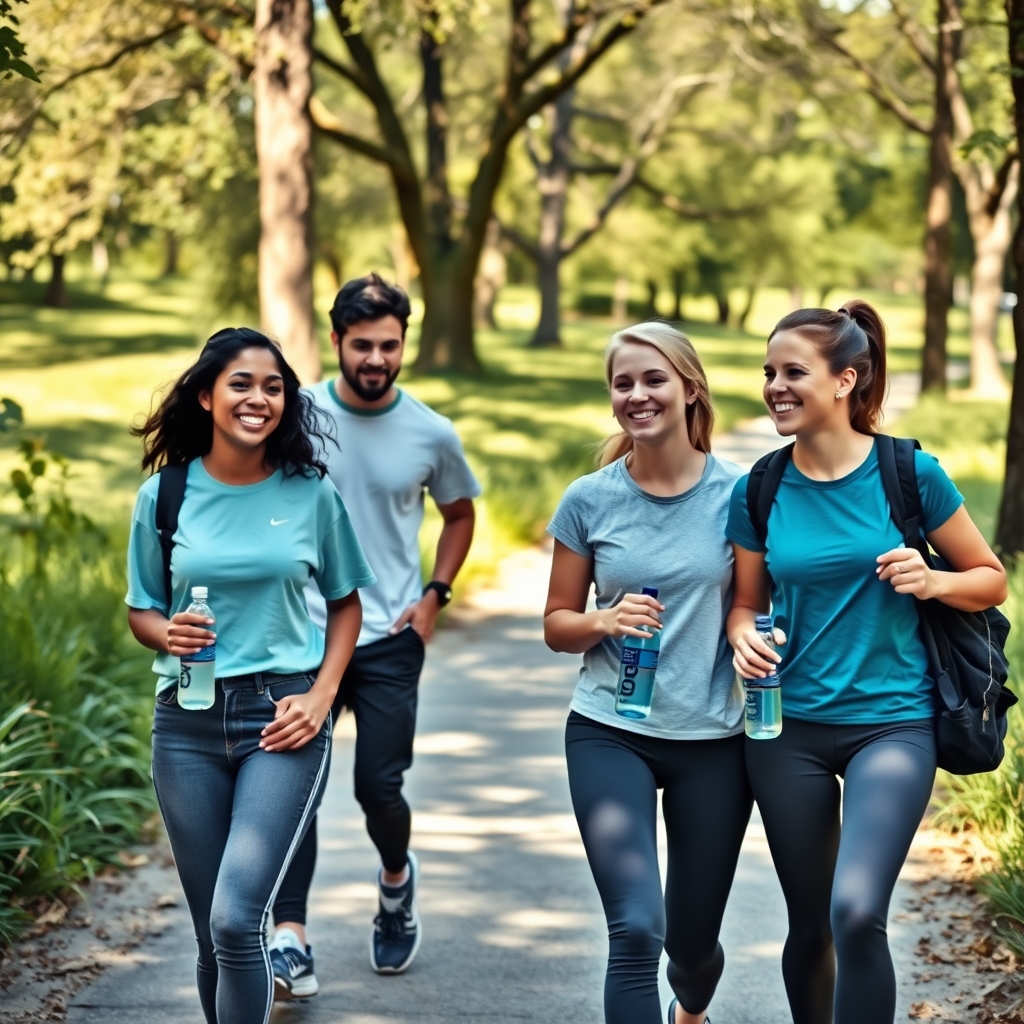
To better understand how survivors adapt, researchers interviewed 19 participants aged 22 to 35 who had completed their medical treatments between one and 28 years prior. The qualitative findings highlighted three main themes, with stress management emerging as a universal priority. Among various coping mechanisms, physical activity was the most frequently cited strategy. Participants routinely turned to activities like walking, jogging, and strength training to alleviate tension. While some individuals also incorporated reading, journaling, or mindfulness practices into their routines, many reported that maintaining mindfulness outside of structured environments was difficult amidst the demands of daily life.
Building Healthy Habits Through Peer Support and Accountability
Beyond individual exercise habits, the study underscored the powerful role of social connection. Participants relied heavily on friends and family for encouragement, but they also sought out self-driven methods of accountability. Several individuals utilized fitness-tracking platforms and social media networks to share their progress, finding that positive reinforcement and collaborative goal-setting helped sustain healthy behaviors when personal motivation waned. Furthermore, connecting with fellow survivors offered a unique sense of validation and camaraderie, though researchers observed that differences in diagnosis types and age at onset occasionally created hurdles in finding entirely relatable peers.
Future Directions for Survivor Care
The study’s authors emphasize that the insights gathered point to promising avenues for future intervention design. By combining structured mindfulness practices with peer support networks and supportive accountability frameworks—such as nonjudgmental feedback and collaborative goal-setting—healthcare providers may be better equipped to help young survivors maintain healthy habits. While limitations such as a small sample size suggest caution when generalizing the results, the findings provide a valuable foundation for developing tailored, patient-centered programs that address the multifaceted needs of young adults navigating life after cancer.
Source: News-Medical.net