Florida Dengue Outbreak Becomes Largest in Continental U.S. in Decades
State health officials report that a current dengue outbreak in Florida has grown to become the largest locally acquired wave of the mosquito-borne illness in the continental United States in decades. According to state data, more than 250 locally transmitted cases have been recorded this year, with the vast majority concentrated in Hillsborough County, which encompasses Tampa.
While federal health tracking data on historic outbreaks is limited, information from state departments and medical journals indicates that this year’s tally represents the highest number of annual cases for any state since at least the 1940s. The state’s previous peak occurred in 2023, when slightly under 200 locally spread infections were logged. Globally, the World Health Organization notes that more than 2.2 million infections and nearly 1,200 deaths have been reported this year, while the Centers for Disease Control and Prevention reports nearly 1,900 total U.S. cases, predominantly in Puerto Rico.
Understanding Dengue and Its Complications
Dengue is a viral illness transmitted through the bites of infected mosquitoes. While many infected individuals remain asymptomatic, others develop fevers, flu-like manifestations, and severe joint and muscle discomfort that has earned the condition its colloquial moniker, “breakbone fever.” In severe scenarios, the disease can trigger dangerous bleeding, shock, and potentially fatal outcomes. Florida health officials reported one dengue-related fatality this year involving an elderly Tampa resident.
Medical experts explain that there are four distinct types of dengue viruses: 1, 2, 3, and 4. Initial infection confers lifelong immunity to that specific viral strain. However, contracting a subsequent infection with a different strain can complicate the immune response, as existing antibodies may fail to neutralize the new variant and can occasionally assist the virus in entering immune cells. This dynamic has historically complicated vaccine development. Dawn Wesson, PhD, a mosquito-borne disease expert at Tulane University, noted that most residents in the Tampa area lack prior immunity to any form of the virus.
Factors Fueling the Surge and Prevention Strategies
Florida frequently records elevated dengue rates due to its high volume of travelers arriving from regions where the virus is endemic, such as Puerto Rico. While southern Florida typically bears the brunt of these cases, the recent surge around Tampa has surprised researchers. Interestingly, locally acquired infections in Florida have recently edged out travel-associated cases by a count of 252 to 245.
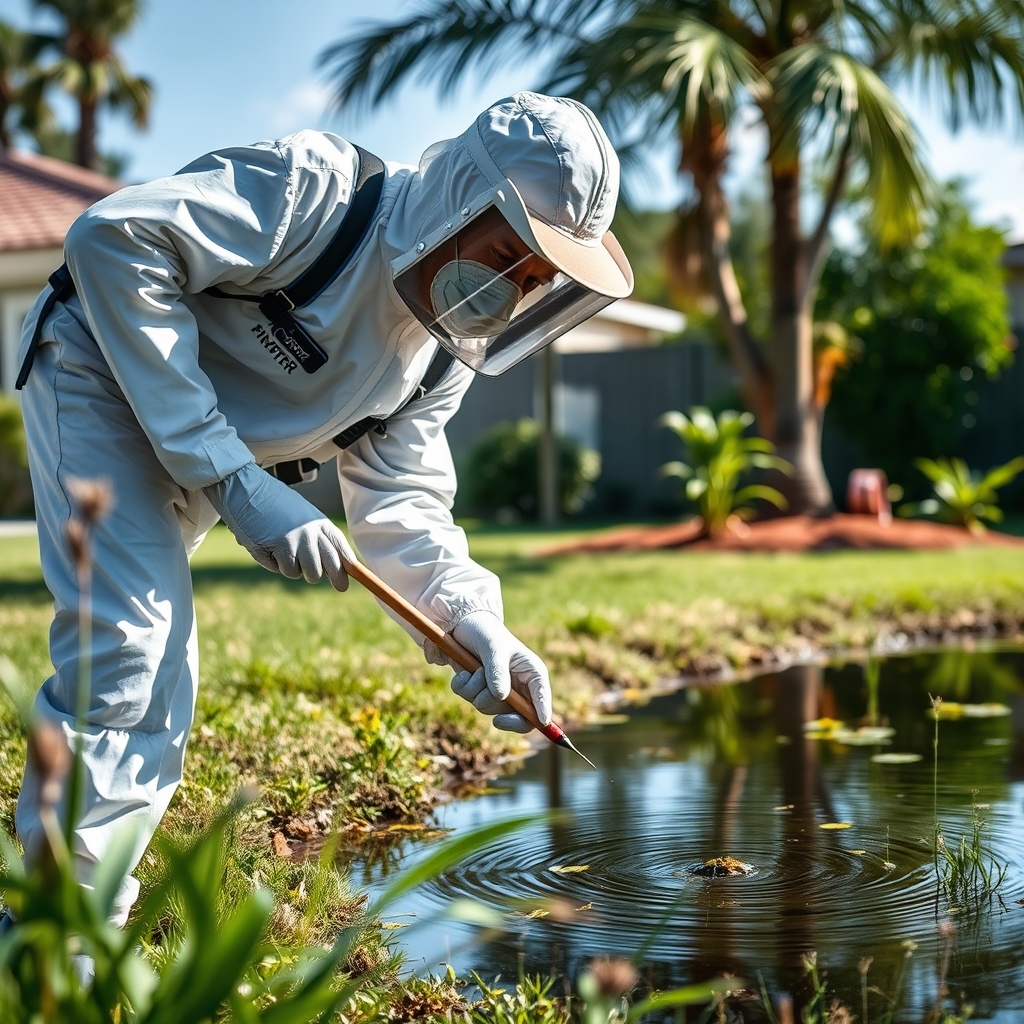
Experts attribute the expanding geographic reach of disease-carrying mosquitoes to shifting climate conditions that favor warmer-weather insects. To combat the current outbreak, local emergency crews in the Tampa area have engaged in intensive daytime and nighttime mosquito spraying and are actively inspecting properties for stagnant water sources in items like discarded tires.
Health authorities emphasize that individuals living in or visiting outbreak zones should take active protective measures:
- Apply Environmental Protection Agency-registered insect repellents containing active ingredients such as DEET.
- Wear loose-fitting, long-sleeved shirts and long trousers to minimize exposed skin.
- Remain indoors behind screened windows or within air-conditioned environments, particularly around sunrise and sunset when mosquitoes are most active.
- Inspect residential properties regularly to empty and eliminate any pooled water where mosquitoes breed.
With persistent mosquito populations and changing environmental factors, public health specialists warn that localized continental outbreaks may increasingly become a recurring challenge.
Source: MedPage Today