Artificial Intelligence Tool Detects Rare Sperm in Men With Azoospermia
An artificial intelligence-powered system has shown promise in identifying ultra-rare sperm in men previously diagnosed with non-obstructive azoospermia, according to research presented at the American Society for Reproductive Medicine annual meeting. Investigators reported that the technology successfully isolated viable sperm in a significant portion of patient samples that standard manual clinical examination missed entirely.
Azoospermia affects roughly 10% to 15% of infertile men, and male factor infertility contributes to about half of all cases. For couples striving to conceive a biological child, standard clinical pathways often involve invasive procedures such as testicular sperm extraction, or TESE. However, surgical extraction is both painful and unsuccessful in approximately half of all cases, leaving many families with few alternatives.
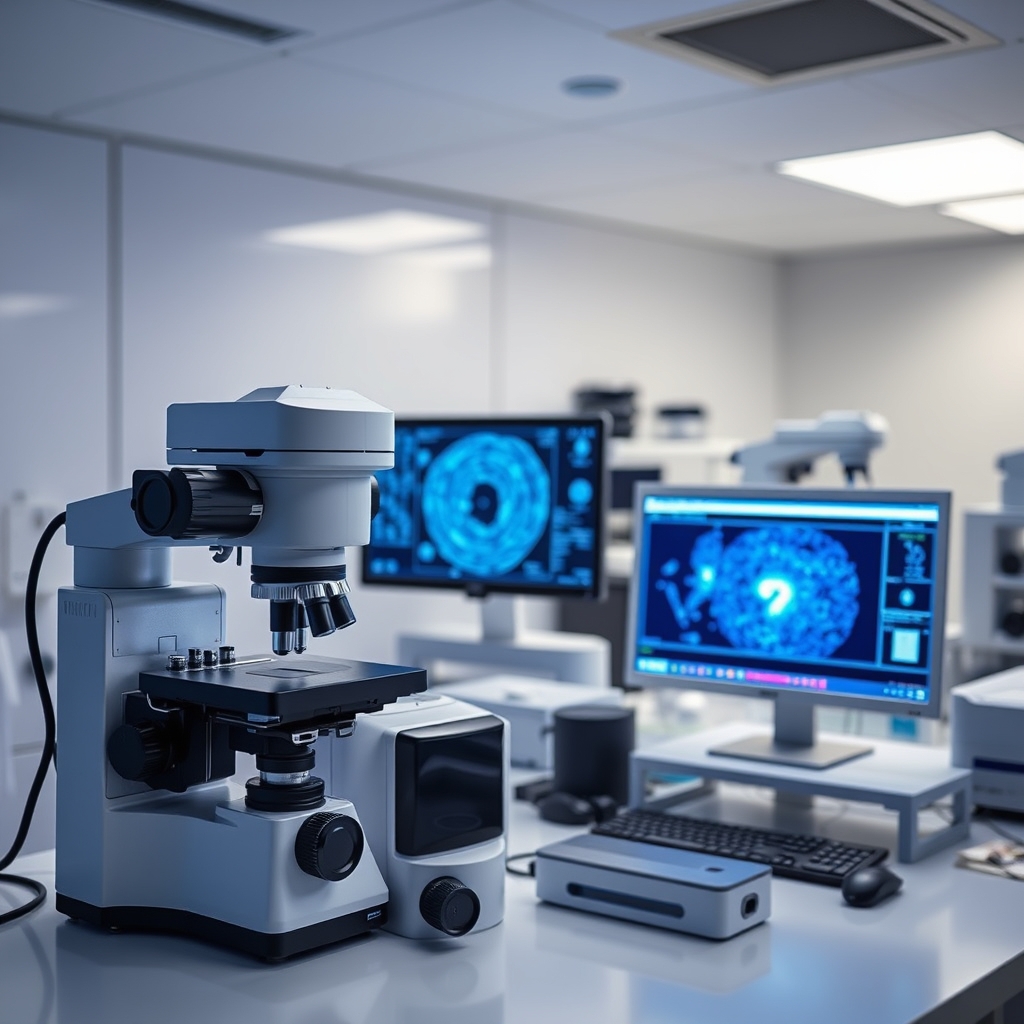
To address this clinical challenge, researchers developed the Sperm Tracking and Recovery system, known as STAR. The technology integrates high-speed imaging, microfluidic hardware, and real-time artificial intelligence to process roughly two million images per sample. The system assesses each frame and automatically isolates detected sperm into a concentrated, small volume for clinical evaluation.
To evaluate the efficacy of the tool, researchers conducted laboratory experiments using spiked samples. In comparative testing, investigators split azoospermic samples containing deliberately added sperm, giving half to an expert human clinician and half to the STAR system, with both granted 60 minutes to review the material. The automated system successfully detected sperm in all 10 spiked trials, while the human expert identified sperm in only three. Furthermore, the technology identified a total of 167 sperm across the trials, compared with just four found via manual detection.
In a clinical evaluation involving 175 consecutive male patients with a median age of 36 who were previously classified as sperm-negative by manual methods, the system detected at least one sperm in 26% of the samples. Additionally, at least five sperm were identified in 22% of the samples, and at least 10 sperm were observed in 19% of the tested cohorts. Among patients who had previously undergone surgical extraction without success, the technology successfully identified sperm in 29% of samples.
- Researchers reported that the system has contributed to at least three live births.
- Recovered sperm were utilized for intracytoplasmic sperm injection or cryopreservation.
- One successful pregnancy involved a couple with a 19-year history of infertility.
Despite these encouraging findings, the study authors acknowledged notable limitations. The system currently requires highly trained laboratory technicians to operate effectively, restricting its immediate widespread implementation. Investigators and independent teams are actively working on user-friendly iterations and alternative tools to broaden clinical access for fertility centers and their patients.