undefined
Living with chronic physical discomfort can often feel exhausting, isolating, and all-consuming. For millions of individuals dealing with persistent lower back issues, finding effective long-term management strategies remains a daily challenge. However, a novel study published in The Journal of Pain suggests that a readily available and holistic resource might offer significant relief: spending time immersed in nature.
Exploring the Connection Between Green Spaces and Pain Management
Conducted jointly by experts in pain management and environmental psychology at the University of Plymouth and the University of Exeter, the study explores the role that natural environments play in the coping strategies of people with long-term physical ailments. Researchers interviewed 10 individuals who had experienced chronic lower back pain anywhere from five to 38 years, marking the first time scientists have specifically asked this group about their relationship with the natural world.
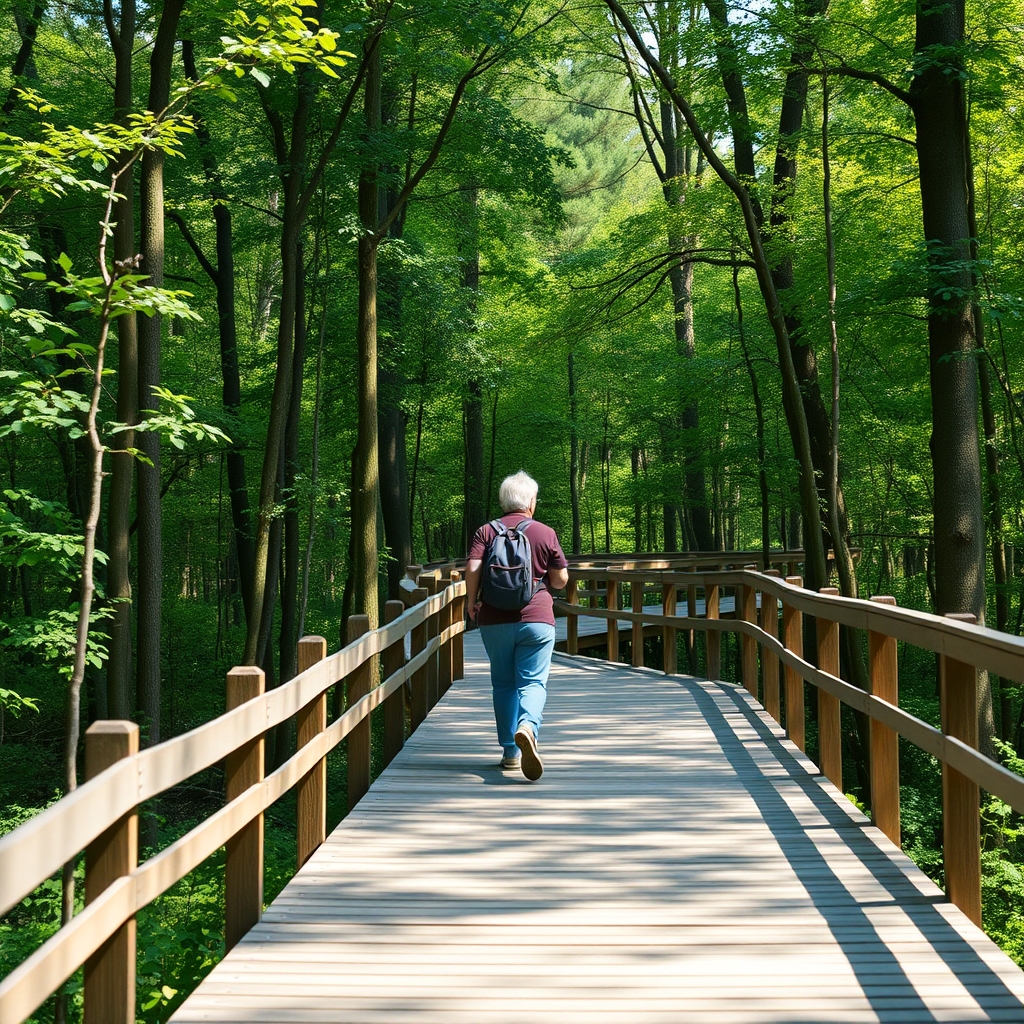
The findings revealed that stepping outside into green spaces offered participants a much-needed sense of escapism and psychological distraction. While individuals who spent time tending to their own home gardens reported notable improvements in their overall health and wellbeing, those who immersed themselves in larger natural environments—such as forests—experienced even deeper positive effects. In these larger settings, participants noted they could completely lose themselves in the surrounding ecosystem, allowing them to focus on the environment rather than their underlying pain levels.
Mental and Social Benefits of the Great Outdoors
Chronic pain frequently restricts a person’s lifestyle, often leading to social withdrawal and isolation indoors. According to the study, visiting natural spaces helped bridge this gap by enabling individuals to connect with others on a social level. Furthermore, participants highlighted that natural elements—such as fresh air, the visual presence of water, and soothing natural sounds—fostered a profound sense of tranquility. This peaceful atmosphere actively helped alleviate the psychological stress and anxiety commonly triggered by severe pain.
Physical activity was another key theme. Interviewees expressed a strong preference for exercising within pleasant outdoor surroundings rather than traditional indoor settings like gyms. Despite these clear advantages, participants also pointed out significant hurdles regarding accessibility. Unsteady terrain, uneven walking paths, and a scarcity of places to sit down made some natural areas intimidating or difficult to enjoy, potentially discouraging individuals from visiting them altogether.
Addressing Accessibility and Looking Toward Innovative Treatments
The study’s authors emphasize the importance of recognizing these physical barriers to health equity. Dr. Sam Hughes, Senior Lecturer in Pain Neuroscience at the University of Exeter and senior author of the study, noted that many individuals encounter substantial obstacles just trying to leave their homes or navigate uneven terrain, which prevents them from experiencing nature’s restorative properties.
Based on their findings, the researchers recommend that patients with chronic back pain, along with the clinicians treating them, begin factoring nature into formal health and wellbeing treatment plans. They also suggest that urban planners and parks departments adapt natural spaces by incorporating more accessible design features, such as improved pathways and frequent seating.
To address situations where physical access is simply not possible, the research team is collaborating with individuals experiencing various forms of chronic pain to develop and test virtual reality (VR) innovations. Alexander Smith, a PhD researcher in the University of Plymouth’s School of Psychology and lead author of the study, explained that technological interventions like virtual reality could soon allow patients to experience the therapeutic benefits of nature from the comfort of their homes when travel is out of reach.
Key Takeaways for Daily Life
- Immersion in larger green spaces like forests can help distract the mind from chronic pain levels.
- Natural environments offer psychological escapism, social connection, and relief from pain-related anxiety.
- Physical obstacles like uneven terrain and limited seating can hinder accessibility for those with mobility issues.
- Emerging virtual reality tools aim to replicate nature’s benefits for individuals unable to travel outdoors.
Source: ScienceDaily Health & Medicine