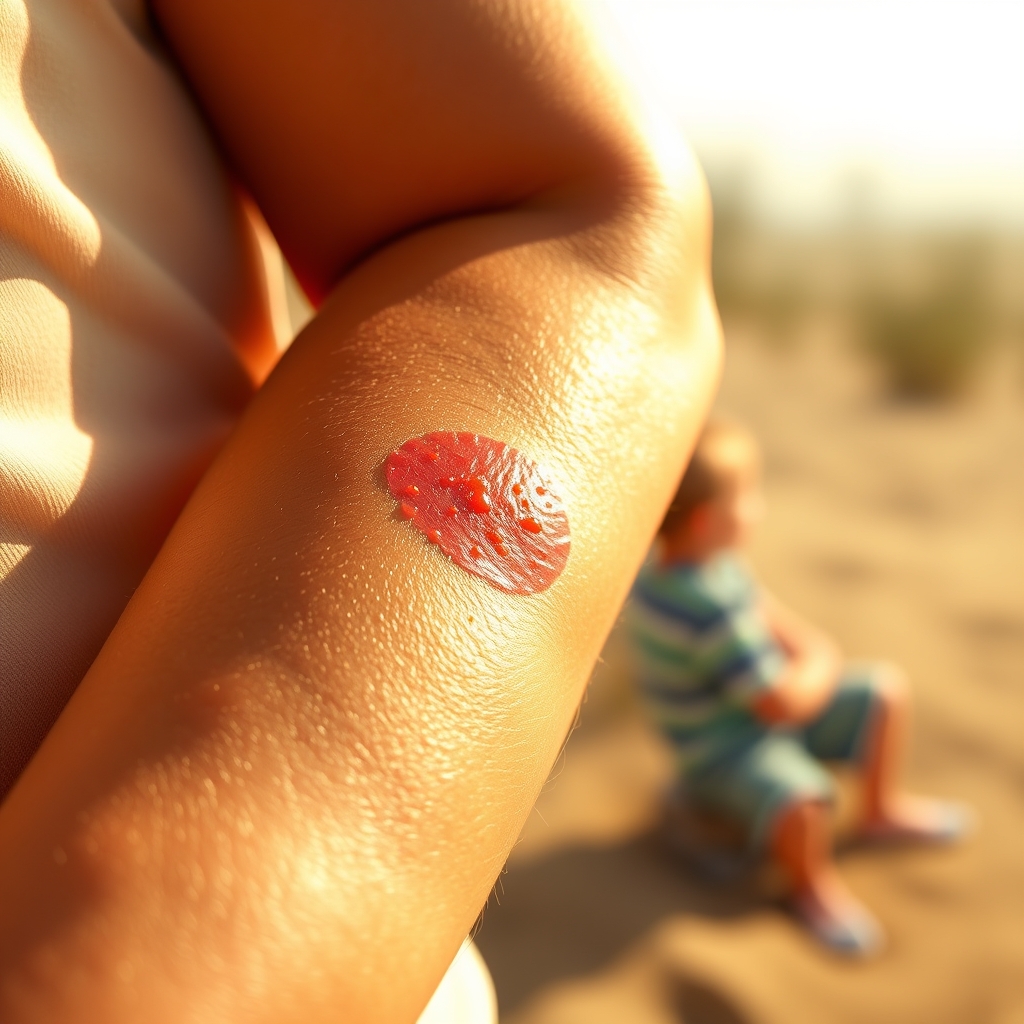
Global Study Reveals Climate Change Is Significantly Impacting Skin Health Worldwide
A comprehensive international study presented at the European Academy of Dermatology and Venereology (EADV) Congress 2026 has revealed that climate change is actively influencing the prevalence and severity of skin diseases across the globe. Researchers found that more than 40 percent of nations worldwide have observed climate-related shifts in dermatological health, with lower-income countries bearing a disproportionate share of the burden.
The investigation was carried out through the Global Access to Skin Health Observatory (SkinObservatory) study, a collaborative initiative between the International League of Dermatological Societies and L’Oréal Dermatological Beauty. Organizers invited representatives from 194 World Health Organization member countries to participate, gathering data from 136 nations across four World Bank income groups to better understand the intersection of environmental shifts and human skin health.
Overall, 42.6 percent of the participating countries reported noticeable changes in either the prevalence, the severity, or both of skin conditions driven by climate factors. However, these impacts were not distributed evenly. More than half of low-income countries (55.6 percent) and lower-middle-income countries (52.5 percent) documented climate-related alterations in skin health. In comparison, upper-middle-income nations reported a rate of 43.8 percent, while high-income countries reported 28.3 percent.
Geographic disparities were similarly pronounced. Changes were reported most frequently in the Western Pacific Region at 64.7 percent, followed closely by the Eastern Mediterranean and South-East Asian regions at 60.0 percent each. Meanwhile, the European Region reported a much lower rate of 16.1 percent. In the African Region, 42.9 percent of respondents remained unsure about how climate change has affected skin disease, pointing to potential gaps in local medical surveillance and data collection.
Among the 58 countries that explicitly identified climate-associated effects on dermatology, 81.0 percent noted a rise in heat rashes, and 75.9 percent observed increases in inflammatory skin diseases. Furthermore, 62.1 percent reported changes in infectious skin conditions, with half of those pointing specifically to vector-borne diseases.
Dr. Esther Freeman, a lead study author, emphasized that the skin acts as the human body’s front line against environmental shifts. She explained that elevated temperatures and humidity can elevate sweating and physical skin irritation, whereas extreme heat, air pollution, and other ecological exposures can easily trigger or exacerbate inflammation. Additionally, shifting weather patterns and rainfall alter the natural habitats of mosquitoes, ticks, and other disease-carrying vectors, allowing them to expand into geographic areas where they were previously uncommon.
The study authors highlighted a stark global inequality regarding these health threats. Nations with fewer overall resources are experiencing the most severe dermatological consequences despite contributing the least to global climate change. These resource-limited regions frequently encounter extreme weather events while simultaneously facing restricted access to specialized healthcare, dermatologists, essential medicines, and robust public health infrastructure.
To combat these mounting challenges, the researchers urge public health authorities to integrate skin health into broader climate-health preparedness frameworks. Recommended measures include strengthening local disease surveillance systems to catch shifts early, improving educational resources for healthcare workers and local communities, and developing targeted adaptation strategies that account for regional environmental exposures and available medical resources.
Source: Medical Xpress