undefined
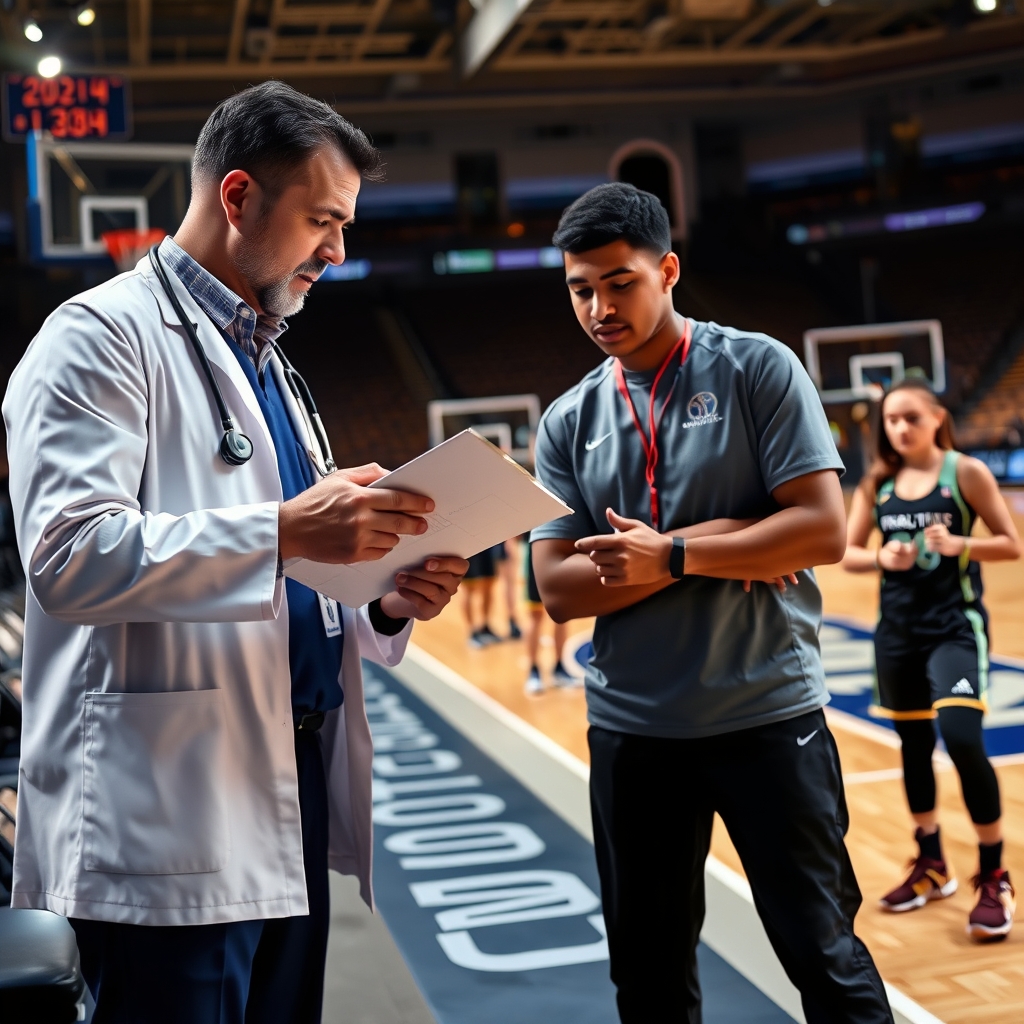
When top-tier athletes compete on the world stage, maintaining peak physical condition requires a sophisticated, multidisciplinary medical team. Faculty members from the Department of Orthopedic Surgery at the David Geffen School of Medicine at UCLA—serving as team physicians for professional leagues and collegiate athletics—have detailed the intricate protocols required to keep elite competitors safe during high-stakes international tournaments.
According to the medical specialists, comprehensive player care relies on a collaborative model combining orthopedic expertise, primary sports medicine, dedicated athletic training, and performance coaching. By addressing both acute injuries and chronic physical demands, medical staff aim to optimize safety without hindering athletic output.
Understanding Athlete Needs and Injury Prevention
Elite competitors possess a high degree of body awareness and deep familiarity with managing chronic concerns. However, medical personnel play a critical evaluation role when acute trauma occurs, outlining clear expectations for diagnosis and recovery. To mitigate the risk of common basketball-related trauma, preventative measures are integrated into daily routines.
Common physical risks in competitive basketball include:
- Anterior cruciate ligament (ACL) tears, which carry a higher statistical risk for female athletes
- Ankle sprains and various muscle strains
- Acute primary care concerns such as concussions and corneal abrasions
To reduce these risks, practitioners utilize targeted preventative strategies. Players routinely engage in specialized pre-practice and pre-game warm-ups tailored to individual needs by sport performance coaches. Additionally, prophylactic methods such as ankle taping and bracing help protect vulnerable joints during aggressive court play.
The Critical Role of Recovery and Emergency Readiness
Beyond direct injury management, daily lifestyle habits form the foundation of sustained athletic resilience. Medical experts emphasize that proper nutrition and restorative rest are non-negotiable components of physical recovery. Athletes follow individualized fueling plans that incorporate daily sources of protein, complex carbohydrates, fruits, and vegetables. Similarly, sleep is treated as a core performance enhancer, with some competitors even traveling with personal pillows to optimize rest in unfamiliar environments.
Simultaneously, medical teams maintain rigorous emergency preparedness protocols at every venue. Prior to competition, physicians map out emergency action plans, locate automated external defibrillators, identify emergency medical services stations, and clear pathways to the playing court to ensure rapid intervention if an unexpected medical emergency arises.
Source: Medical Xpress