FDA Grants 510(k) Clearance for Urolution Medical OpenFlo Urinary Catheter
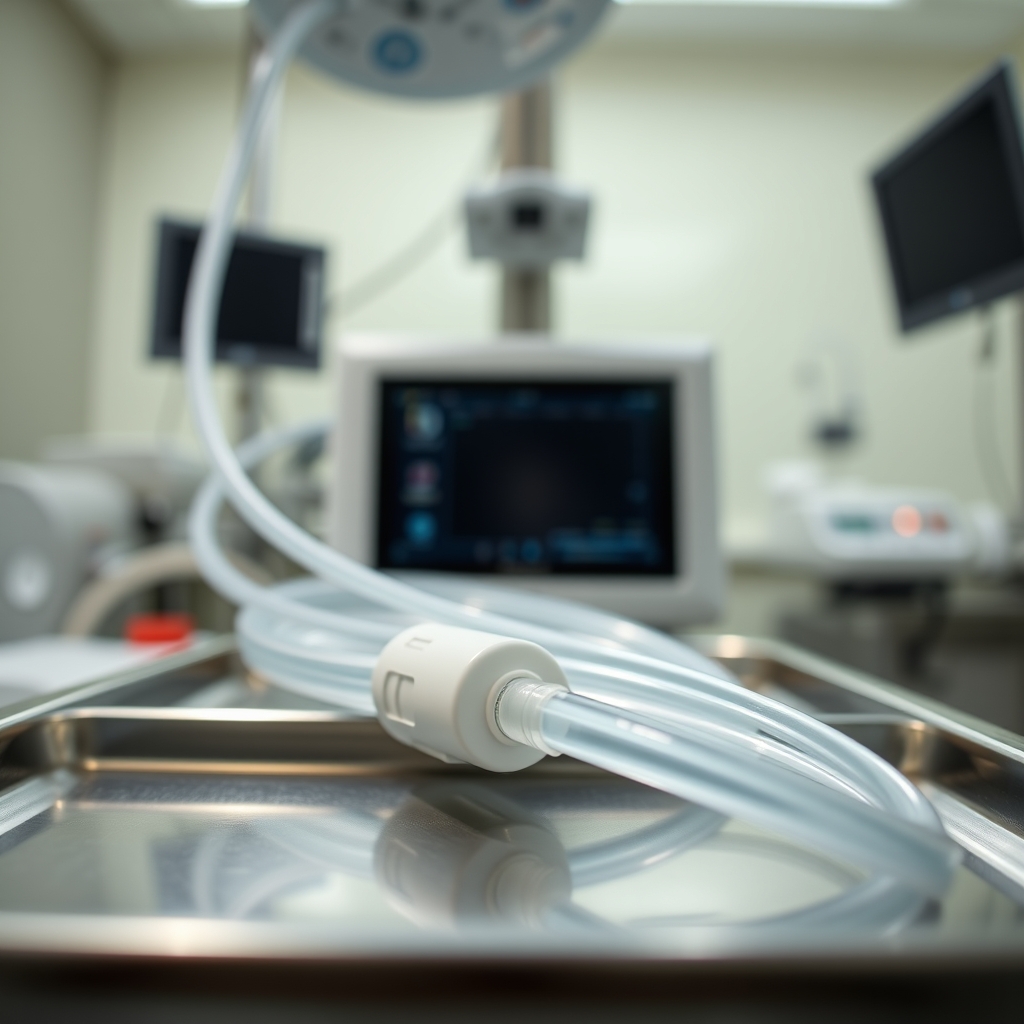
The United States Food and Drug Administration (FDA) has issued 510(k) clearance for the OpenFlo urinary catheter, developed by Minnesota-based Urolution Medical. The device is cleared for adult patients to drain the urinary tract and is rated to remain in place for up to 30 days.
Device Architecture and Production
According to the manufacturer, the OpenFlo catheter features a patented structural design that modifies the mechanical characteristics found in standard Foley catheters, specifically altering the distal tip and the configuration used for drainage. Company representatives stated that product development prioritized commercial scalability. The fabrication process utilizes standard silicone catheter manufacturing techniques, which the company reports will keep production expenses comparable to conventional all-silicone Foley catheters.
Next Steps and Clinical Evaluation
Following the regulatory milestone, Urolution Medical is preparing comparative clinical trials to evaluate the performance of the catheter and assess patient outcomes. Weihao Qu, co-founder and president of Urolution Medical, stated that the clearance marks the conclusion of years of development aimed at rethinking a widely used medical device, with the company’s focus now shifting toward clinical validation and commercial preparation.
Dr. John Adams Jr., chief medical officer at Urolution Medical, noted that the device offers an opportunity to determine whether its modified design translates into clinical improvements, with the FDA clearance enabling the initiation of rigorous clinical evaluation.
Commercial Plans and Future Outlook
In addition to upcoming clinical trials, Urolution Medical is advancing its manufacturing and commercialization strategies. To support a broader market launch, the company is actively seeking additional funding, strategic partnerships, and affiliations with established healthcare organizations. Limitations of the current launch phase include the preliminary nature of the clinical performance data, as comparative trials have not yet been completed to establish superiority over existing devices.
Source: Medical Device Network