Combining Wearable Sensors and Virtual Reality to Monitor Parkinson’s Gait Impairments
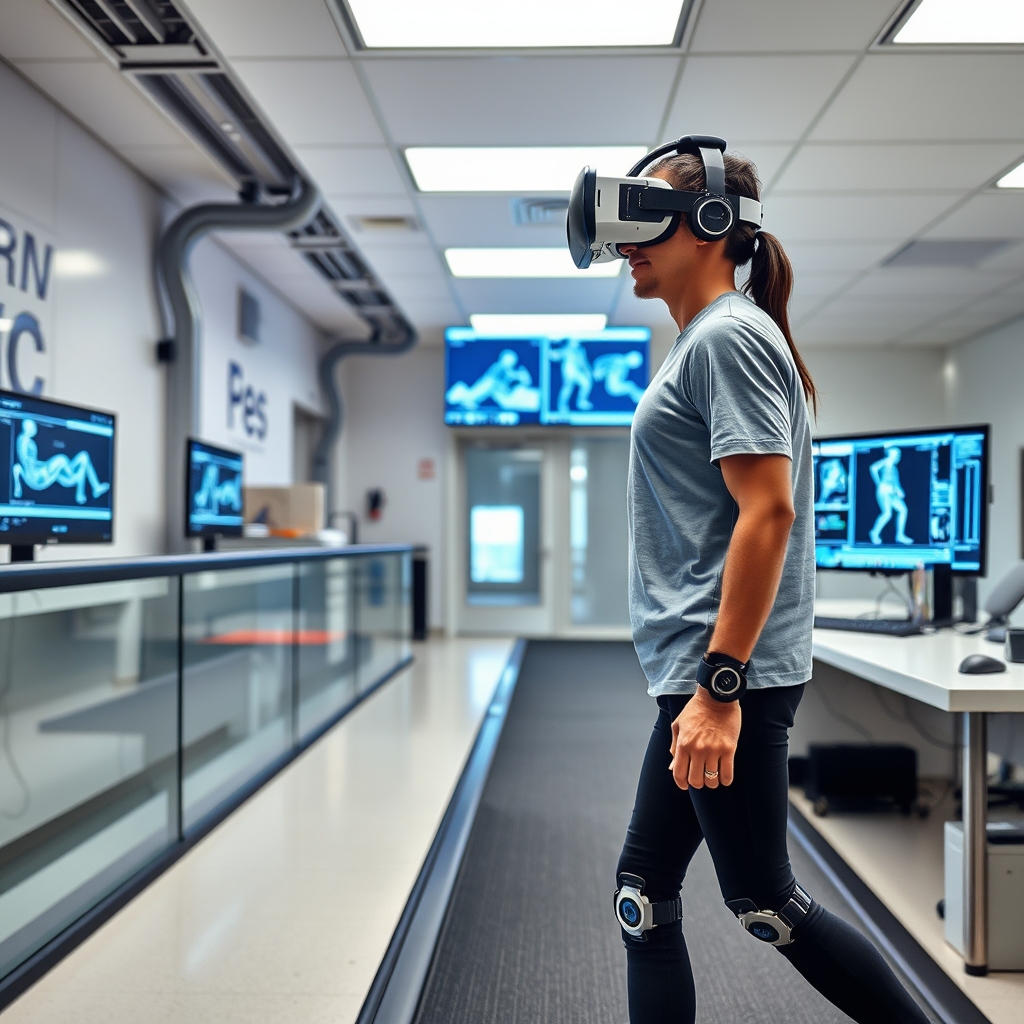
Researchers at Lehigh University are developing an innovative digital health platform that combines virtual reality with wearable sensors to evaluate gait impairments and freezing of gait in individuals with Parkinson’s disease. Led by Rui Hua, assistant professor in the department of biostatistics and health data science, the project aims to bridge the gap between traditional clinical examinations and real-world movement challenges.
Standardizing Real-World Environments
Freezing of gait is a common and debilitating symptom of Parkinson’s disease, defined as a temporary, involuntary inability to move where a patient’s feet feel glued to the floor. This symptom significantly increases the risk of falls and diminishes overall independence and quality of life. According to Hua, clinical assessments in a standard office setting often fail to capture how patients move in everyday environments. To address this limitation, the research team is designing a virtual reality system that replicates daily scenarios, such as navigating hallways or doorways and avoiding obstacles.
As participants navigate these standardized virtual environments, embedded wearable sensors track and quantify their movement patterns. By working alongside clinical partners, researchers plan to process these sensor-derived metrics into clinically meaningful insights. The overarching goal is to give clinicians the objective data needed to design more personalized and effective rehabilitation programs for mobility deficits.
Exploring Personalized Sensory Cues
In addition to tracking movement, the research initiative is investigating how different types of sensory cues can support mobility and help patients synchronize their steps. Specifically, the team is studying auditory cues, including metronomes and customized music, alongside tactile cues such as vibrations delivered through smart wearable devices.
Investigators emphasize that there is currently no clinical evidence establishing whether auditory or tactile cues are universally more effective. Instead, researchers anticipate that success will depend heavily on individual patient needs. A cueing method that helps one person may not work for another, reinforcing the value of personalized rehabilitation strategies.
Collaborative Research and Future Outlook
The interdisciplinary initiative brings together engineers, data scientists, physical therapists, and occupational therapists, including clinical collaborators from Good Shepherd Rehabilitation and Oregon State University-Cascades. The project also incorporates student researchers across multiple academic departments who assist with technical development, music customization, and clinician interviews.
The research study is currently recruiting participants through local support groups and a weekly Parkinson’s boxing program at Good Shepherd Rehabilitation Network. Because the project remains in the technology development and recruitment phase, no outcome data, efficacy claims, or treatment results have been published. Investigators hope that translating wearable data and virtual environments into clinical practice will ultimately advance disability health equity and improve care for people living with Parkinson’s disease.