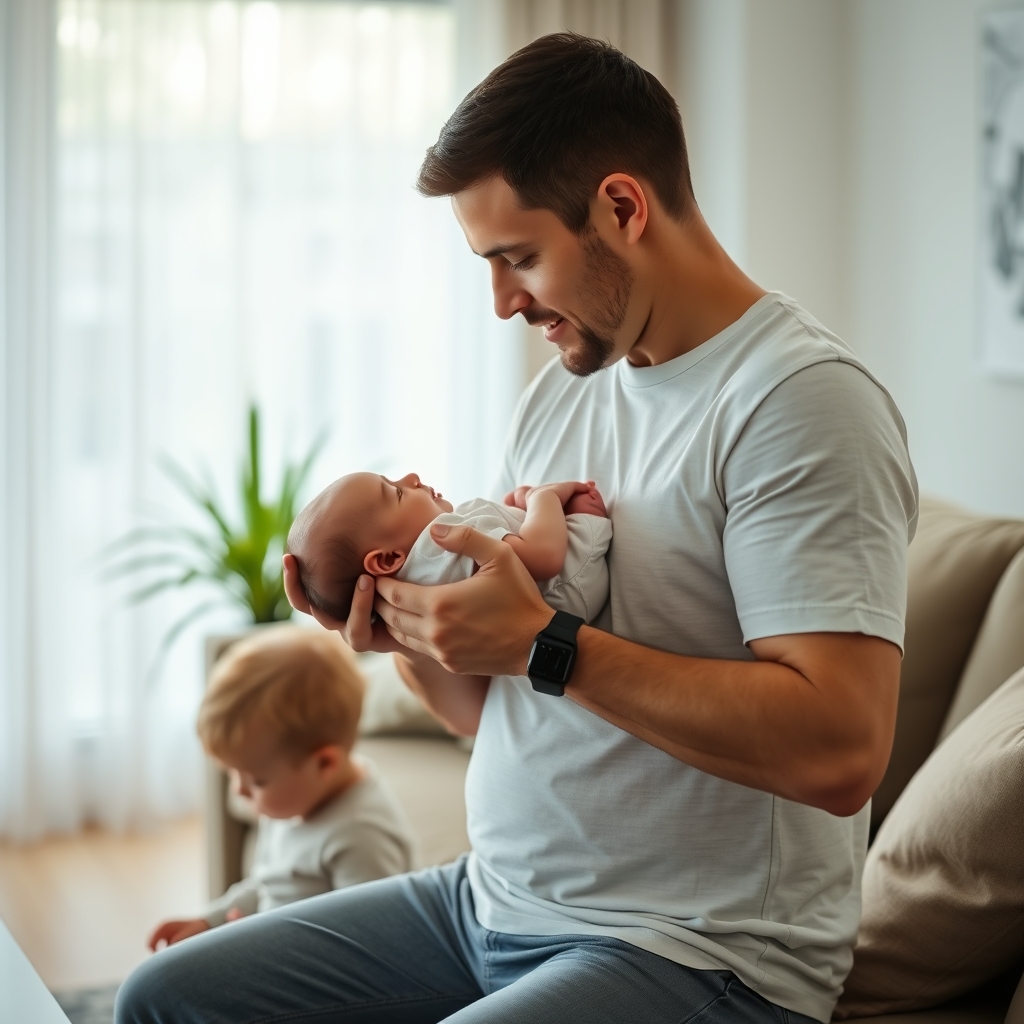
Fathers in California and Other States Now Account for Half of Paid Family Leave Claims
Recent data from state-administered programs reveal a notable shift in how families approach caregiving, with fathers filing for bonding leave in numbers nearly equal to or even surpassing mothers in certain regions. According to reports from programs in states like California, Colorado, and Washington, men now make up roughly half of all bonding claim applications, marking a significant cultural and statistical evolution over the last two decades.
The Growth of Paternity Leave in State Programs
While no federal law mandates paid parental leave across the United States, 14 states and Washington, D.C., have enacted paid family leave legislation. In California, which established its program in 2004, men accounted for approximately 18% of bonding claims during the program’s early years. By contrast, data from recent years shows that men accounted for 51% of bonding claims filed in the state, while states like Colorado and Washington saw male applicants surpass female applicants for the first time.
Advocacy organizations and policy experts point to a combination of shifting gender norms, evolving societal expectations surrounding fatherhood, and programmatic enhancements as driving forces behind the trend. Molly Weston Williamson, policy director at Paid Leave for All, noted that modern families possess a very different understanding of paternity leave and gender roles compared to twenty years ago.
Financial Factors and Program Enhancements
Economic considerations play a central role in whether workers utilize available family leave. States fund their family and medical leave programs through various combinations of employee payroll deductions and employer contributions, with California utilizing entirely employee-funded payroll deductions.
Recent policy adjustments have sought to make taking leave financially feasible for a broader segment of the workforce. In California, recent state actions boosted the income replacement rate, allowing workers to recoup up to 90% of their regular salary while on family leave. Experts suggest that higher wage replacement rates reduce the financial friction that often discourages primary earners from stepping away from their jobs.
Despite the upward trend in claims, researchers emphasize that the current data provides a limited vantage point. Molly Weston Williamson cautioned that administrators need additional information to fully understand the underlying mechanics of the shift, such as whether more fathers are currently employed and eligible, or if specific economic pressures are influencing mothers’ decisions regarding leave uptake.
Health Benefits and Family Well-Being
Public health research highlights that paternity leave offers advantages that extend beyond individual bonding time. Studies indicate that protected family leave correlates with positive health outcomes for both parents, including reduced odds of postpartum depression and lower infant mortality rates.
For working parents navigating the high costs of raising children, policy discussions surrounding affordability remain paramount. Recent surveys from organizations like the Pew Research Center indicate that while a vast majority of full-time working parents view paid parental leave as extremely or very helpful, only half report having access to such benefits through their employers.
Perspectives From Working Parents
For fathers navigating modern work environments, the decision to take leave often involves balancing career expectations with a desire for active domestic participation. Karlo Campana, a father of three from Southern California who utilized state-administered paid leave following the birth of each child, described the designated time off as essential for supporting his partner and building early connections with his infants.
Campana noted that while initial hesitation driven by traditional provider stereotypes and workplace culture existed, the ability to disconnect from professional duties without risking household income allowed him to be fully present during a demanding developmental stage for his family.