Flexible EEG Patch Records Brain Signals Over 24 Hours in Preliminary Study
A recent study published in the journal Sensors investigates a flexible, eight-channel electrode patch designed to record electroencephalography (EEG) data in everyday environments. Traditional EEG systems are often bulky and limited to clinical or laboratory settings, but researchers at the Fraunhofer Institute for Digital Media Technology IDMT in Oldenburg sought to determine whether a more discreet wearable sensor could maintain stable signal quality during normal daily routines and overnight sleep.
Evaluating Long-Term Signal Stability
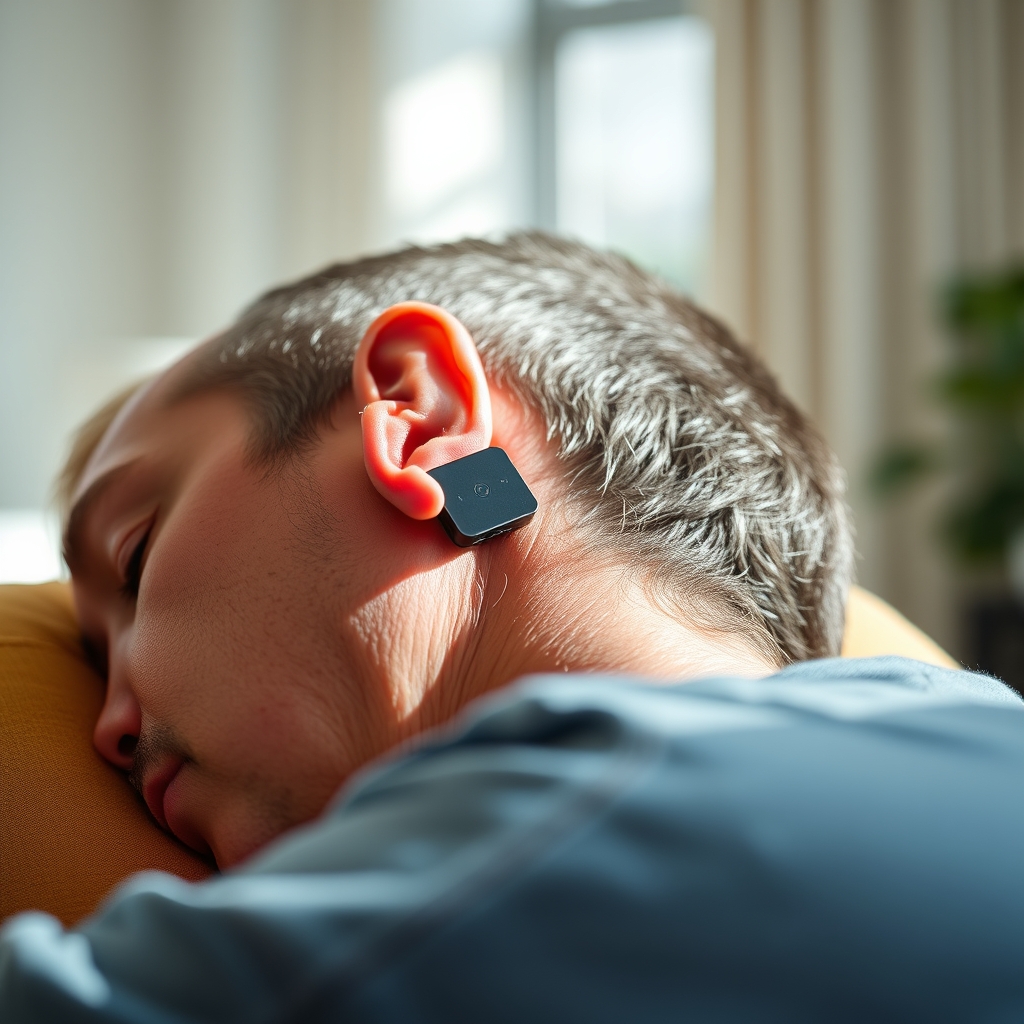
To test the system, investigators fitted 10 participants with the flexible patch, named trEEGrid. The patch is applied to the face with pre-applied conductive material and works alongside a specialized miniaturized signal amplifier developed by Brain Products GmbH. This configuration is positioned directly behind the ear to reduce motion artifacts from cables, while a small base unit carried in a pocket supplies power.
During the approximately 24-hour monitoring period, participants engaged in routine activities, including visual and auditory tasks, relaxation exercises, and completing Sudoku puzzles of varying difficulty. They also wore the device overnight in their own homes. Researchers continuously tracked electrode-skin contact by measuring resistance, known as impedance.
Key Findings and Limitations
The analysis revealed that average impedance values remained below 140 kOhm across all eight channels on the first day and dropped below 100 kOhm on the second day. The data showed that the patch remained secure overnight and successfully captured patterns corresponding to different cognitive tasks, such as distinguishing between easy and difficult Sudoku puzzles.
However, the study has notable limitations. The small cohort of 10 participants primarily consisted of members of the research team itself. Furthermore, the findings represent preliminary feasibility testing rather than established clinical validation.
Future Directions for Mobile Neurotechnologies
The research team is expanding testing to a more diverse group of participants who lack specialized technical knowledge. Ongoing collaborative efforts, such as the ISES research project, aim to extend battery life and incorporate movement sensors to provide additional contextual data. Investigators also plan to test the system during more dynamic activities, such as walking and cycling, while developing artificial intelligence tools to filter out interference from muscle and eye movements. Researchers note that if validated through broader studies, mobile EEG systems could eventually help investigate sleep disorders, neurological conditions, and cognitive fatigue in real-world settings.