New Clinical Support Tool Aims to Streamline Chronic Kidney Disease Detection in Primary Care
Investigators have developed and validated a novel electronic health record-integrated clinical decision support tool designed to enhance the diagnosis and management of chronic kidney disease at the point of care. The findings regarding the tool, known as Treat CKD, were presented at ASN Kidney Week 2026, which took place from October 22 to 25.
How the Treat CKD System Functions
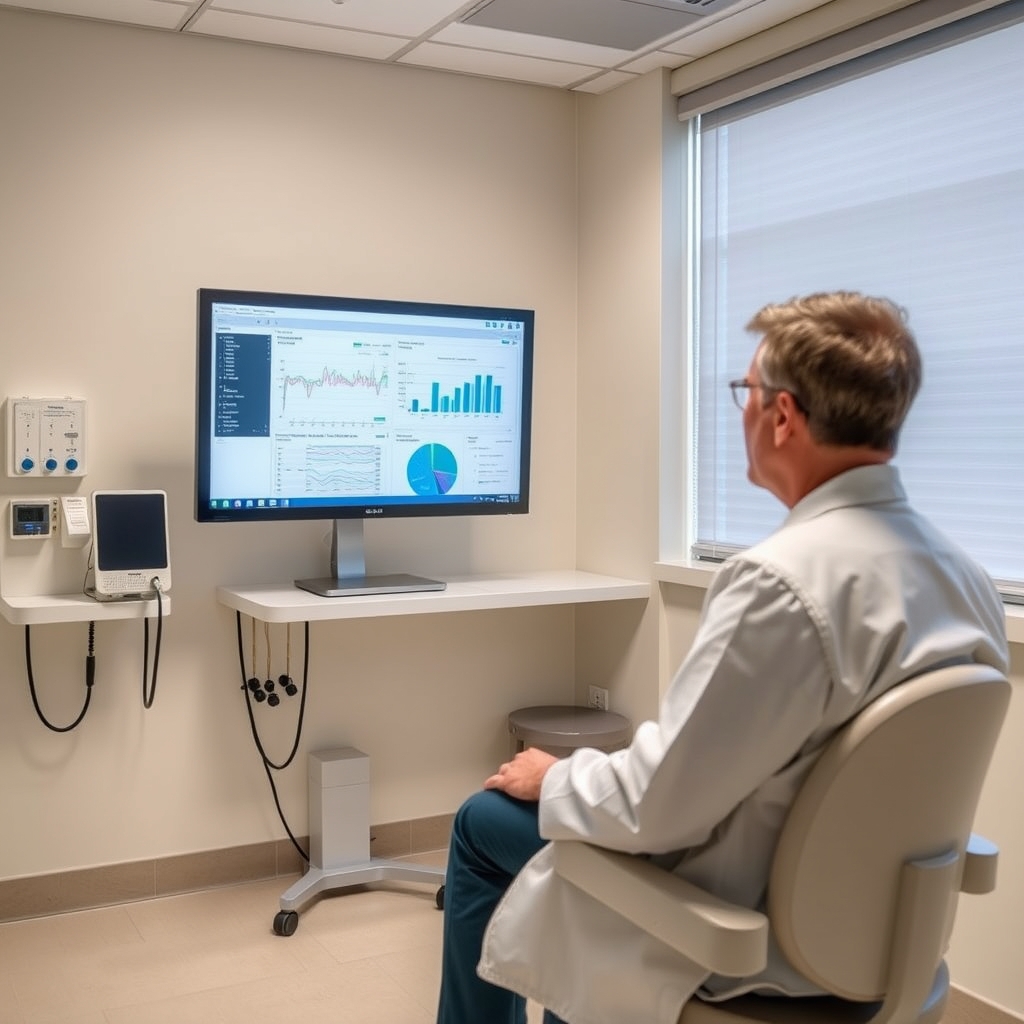
The newly evaluated decision support tool extracts data directly from electronic health records to help primary care professionals identify patients with chronic kidney disease. Once potential cases are flagged, the software classifies patient risk using criteria established by Kidney Disease: Improving Global Outcomes. Additionally, the system calculates the risk of kidney failure utilizing the Kidney Failure Risk Equation and estimates cardiovascular risk through American Heart Association PREVENT equations.
Beyond risk stratification, the software provides tailored clinical recommendations. These suggestions cover several key management areas, including:
- Recommendations for albuminuria testing
- Guidance on blood pressure management
- Options for cholesterol-lowering therapy
- Proposals for cardio-kidney therapies
- Indications for timely nephrology referral
Validation and Clinician Feedback
During evaluation within the University of California, San Francisco health system, the software successfully confirmed risk classifications and showed full concordance with manually calculated Kidney Failure Risk Equations and PREVENT risk scores. When surveyed, primary care professionals reported that the technology was intuitive, clinically relevant, and fit seamlessly into their existing routines without adding substantial administrative or workflow burdens.
Corresponding author Ivan Villasenor, an M.D. candidate at the University of California San Francisco School of Medicine, noted that the system automates identification and risk scoring while supplying guideline-concordant treatment recommendations. Researchers emphasize that while initial feedback regarding usability and clinical appropriateness is positive, further evaluation is necessary to determine its broader scalability and ultimate impact on patient outcomes.