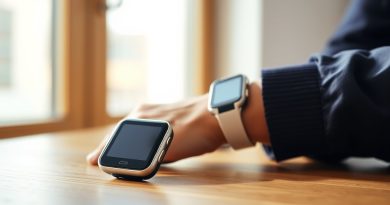
Senseonics Launches First Human Trial for Freedom Continuous Glucose Monitoring System
Medical technology company Senseonics Holdings has initiated its first human clinical study to evaluate Freedom, an investigational continuous glucose monitoring (CGM) system designed to transmit glucose data directly to a mobile handset without the need for an external on-body transmitter. The initial trial represents an early feasibility assessment focusing primarily on clinical safety and device functionality, with a specific emphasis on testing the sensor’s direct Bluetooth capabilities.
Evaluating Safety and Design Evolution
The investigational Freedom system builds upon the underlying sensing architecture used in Senseonics’ existing Eversense 365 platform. However, the new device design incorporates an integrated battery and embedded Bluetooth communication directly within the sensor. The company’s stated goal for this configuration is to eliminate external components entirely while maintaining continuous one-year glucose sensing from a single implanted sensor.
According to Senseonics president and CEO Tim Goodnow, the current human trial marks a critical milestone in making continuous glucose monitoring virtually invisible to the user. The safety data and functional insights gathered from this early feasibility study will be used to guide a larger pivotal trial, which the company currently has planned for 2027. Subject to successful clinical evaluation and regulatory review, Senseonics is aiming for a potential commercial release of the Freedom system in 2028.
Preclinical Background and Current Market Context
The initiation of human testing follows preclinical assessments that were completed in the second quarter of 2026. Those earlier animal and laboratory evaluations examined various Bluetooth Low Energy antenna layouts and insertion sites to refine transmission performance before advancing to human subjects. Researchers and developers rely on such preclinical data to establish baseline functionality, though human clinical trials remain essential to confirm safety and real-world performance.
Senseonics currently markets the Eversense 365, a long-term CGM system that requires insertion by a healthcare provider and utilizes a removable smart transmitter to relay glucose readings to mobile applications or automated insulin delivery systems. The Eversense 365 system is approved in Europe and cleared in the United States for individuals aged 18 and older with type 1 and type 2 diabetes, providing continuous readings for up to 365 days to help replace traditional fingerstick measurements. Fingerstick tests remain necessary in certain scenarios, such as once a week after day 14, during tetracycline use, or when symptoms do not align with sensor readings.
Future Outlook in Diabetes Care
While the Freedom system aims to remove external transmitters, investigational devices must successfully navigate rigorous clinical testing and regulatory scrutiny before they can be widely adopted. The ongoing human trial will provide foundational safety and efficacy metrics that determine the viability of direct-to-mobile long-term sensing technology. Patients and clinicians interested in new diabetes management options will monitor the upcoming 2027 pivotal trial for definitive clinical evidence regarding the device’s reliability and performance.
- Senseonics began its first human clinical study for the Freedom CGM system.
- The trial evaluates clinical safety, device functionality, and direct Bluetooth transmission.
- A pivotal trial is planned for 2027, with a target commercial release in 2028.