Smartwatch Calorie Tracking Slips as Body Fat Percentage Rises, Study Shows
Millions of people worldwide rely on smartwatches to track daily workouts, monitor heart rates, and measure calories burned. However, a recent study published in the scientific journal PLOS One reveals that these popular wrist-worn gadgets often struggle with accuracy. Furthermore, researchers found that a wearer’s individual body composition heavily influences the margin of error.
Led by exercise scientists at Florida International University’s Medical Photonics Laboratory, the study investigated how well consumer wearables gauge physiological responses during physical activity. The research team specifically examined whether accuracy levels fluctuate depending on individual physical traits.
How the Study Was Conducted
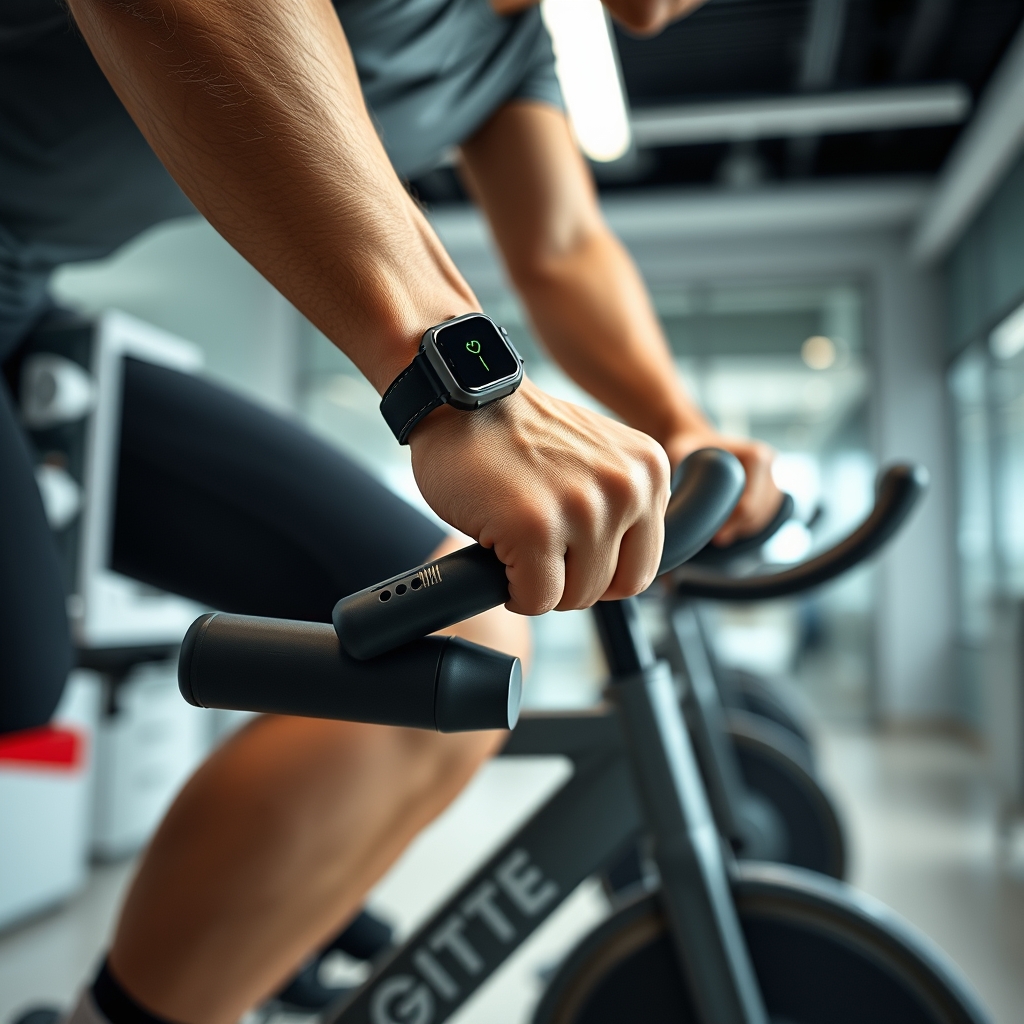
To evaluate the devices, the research team recruited 58 adult participants representing a diverse range of skin tones and body fat percentages. Each individual completed a standardized exercise session involving alternating moderate- and vigorous-intensity intervals on a recumbent bicycle for 10 minutes.
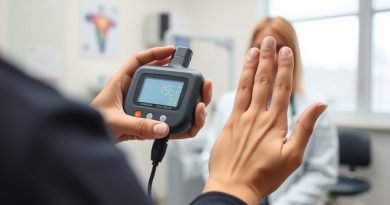
While cycling, study participants wore four widely used consumer smartwatches: an Apple Watch Series 8, a Garmin Forerunner 955, a Samsung Galaxy Watch5, and a Fitbit Sense 2. To establish a reliable baseline, the researchers measured participants’ actual energy expenditure using a metabolic analyzer—a specialized mask that captures and analyzes inhaled and exhaled gases. In exercise science, this laboratory setup is considered the gold standard for measuring calorie burn.
Key Findings on Calorie Inaccuracy
The analysis revealed that all four smartwatch brands produced substantial errors when estimating caloric expenditure, with median errors ranging from 15% to 25%. Apple, Garmin, and Samsung devices systematically overestimated how many calories participants burned, with Apple showing the smallest average systematic error and Garmin and Samsung producing larger overestimates.
Fitbit devices presented a different challenge. Although they did not display a consistent systematic bias in either direction, they occasionally generated implausible readings, including several outputs exceeding 450% of the actual energy expenditure measured by the laboratory equipment.
Most notably, the researchers discovered a strong correlation between a participant’s body fat percentage and the magnitude of the watch’s error. As an individual’s body fat percentage increased, the smartwatch’s calculations became increasingly inaccurate. Depending on the brand and the wearer’s specific body composition, errors for some participants ranged from 50% to over 100%.
For example, if a laboratory metabolic analyzer recorded an actual energy expenditure of 100 calories, a 50% overestimate on a smartwatch would display roughly 150 calories, while a 100% overestimate would report 200 calories. Interestingly, the study found that skin tone did not have a statistically significant effect on the accuracy of caloric expenditure measurements under the tested conditions.
What This Means for Wearable Users
Because smartwatches utilize proprietary algorithms to estimate energy expenditure based on indirect metrics like heart rate and movement, they cannot measure true calorie burn directly. Individuals with higher body fat percentages—who frequently utilize fitness trackers to support weight management goals—may consequently receive the least reliable feedback from their devices.
Over the course of a week, these discrepancies can accumulate significantly. For instance, an individual with a higher body fat percentage exercising for four hours a week could find their total weekly calorie readings off by 1,200 to 2,400 calories. Relying blindly on these inflated numbers to guide dietary intake or weight loss goals could easily undermine a person’s wellness plan.
Practical Takeaways for Consumers
Experts emphasize that smartwatches still offer substantial value. Companion research from the same laboratory indicates that these wearables measure heart rate with reliable precision, while also tracking workout duration, distance, and pace effectively.
- Treat smartwatch calorie readouts as rough estimates rather than absolute facts.
- Exercise caution before using device-reported calorie counts to determine dietary portions or food intake.
- Focus on broader patterns, overall workout consistency, heart rate trends, and physical progress over time rather than single-session calorie totals.
As wearable technology continues to evolve, researchers hope future software updates and improved sensor calibrations will better account for diverse body compositions, helping consumers make more informed health decisions.
Source: Medical Xpress