Targeted Exercise Therapy Shows Promise in Reducing Early-Onset Knee Osteoarthritis After ACL Surgery
Anterior cruciate ligament (ACL) reconstruction is a common surgical procedure, yet recovery often falls short of patient expectations. Data shows that approximately half of all individuals report ongoing dissatisfaction with their knee health two years after undergoing an ACL operation. Furthermore, within a decade of the procedure, half of these patients develop early-onset knee osteoarthritis before turning 40. While standard clinical guidelines explicitly recommend structured, exercise-based rehabilitation paired with education following surgery, many patients receive care that deviates from these recommendations due to lingering misconceptions—among both patients and healthcare providers—that physical exertion might damage vulnerable knee cartilage.
Evaluating Long-Term Rehabilitation Beyond Standard Recovery Windows
To address this clinical gap, researchers at La Trobe University designed the SUPER-Knee clinical trial, marking the first major study to evaluate the specific effectiveness of supervised exercise therapy and education past the standard nine-month recovery window, a time when full functionality is typically anticipated but frequently missed. Published in the Annals of Internal Medicine, the study led by the La Trobe Sport and Exercise Medicine Research Center followed 184 participants aged 18 to 40 who experienced persistent knee problems between one and three years after their initial ACL reconstruction.
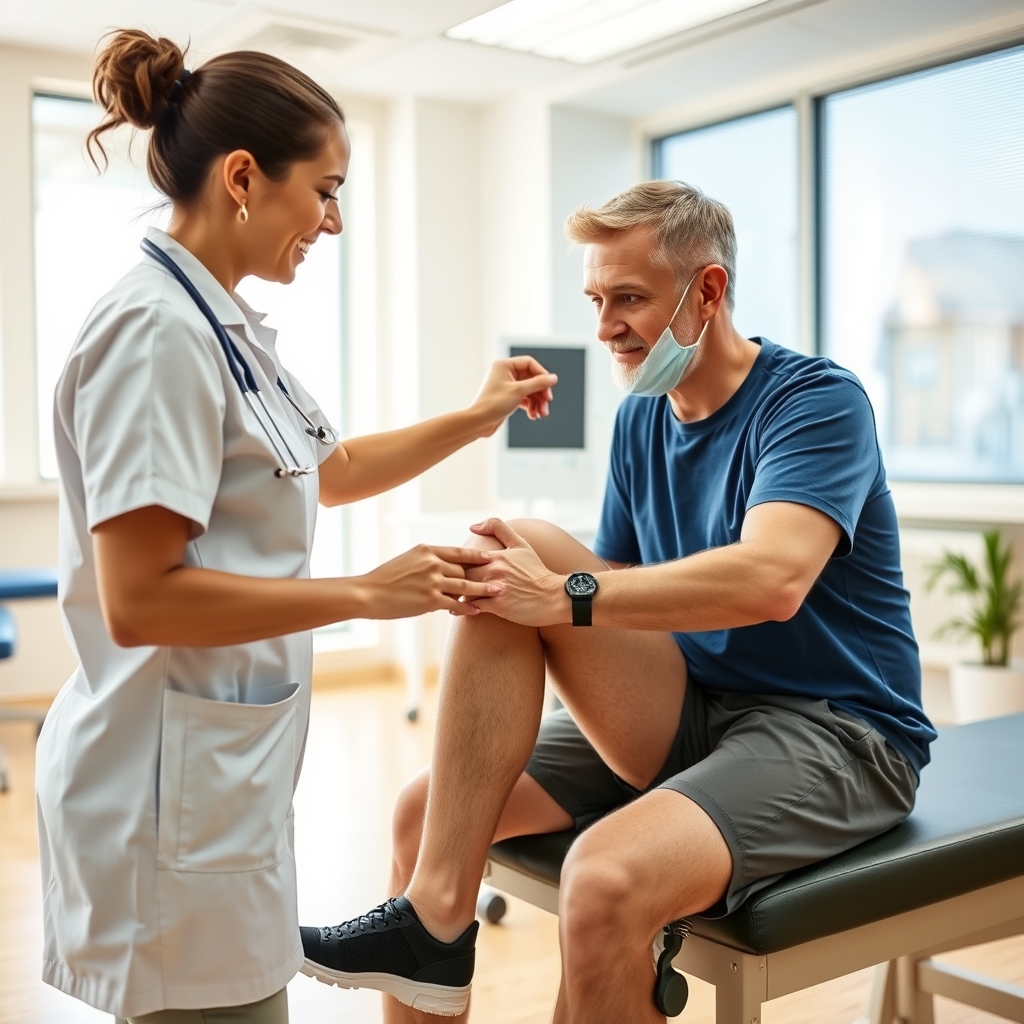
Associate Professor Adam Culvenor, lead researcher from La Trobe University, noted that prior to this investigation, high-quality evidence regarding optimal treatments for young adults at elevated risk of premature osteoarthritis was notably scarce. The trial compared a progressive, four-month physiotherapist-led exercise program against a single educational session to determine safety and efficacy.
Key Findings on Safety and Muscle Strength
The trial’s results offer encouraging insights for young adults struggling with post-surgical recovery. Participants who completed the four-month, physiotherapist-guided exercise regimen achieved measurable improvements in overall joint outcomes and muscle strength. Crucially, imaging confirmed that these physical gains occurred without any structural deterioration of the knee cartilage or progression of early osteoarthritis.
According to Associate Professor Culvenor, the findings confirm that structured, supervised physical therapy is entirely safe and should be strongly recommended to safeguard the long-term knee health of young individuals who face a high risk of developing degenerative joint disease following an ACL injury. The generated evidence is expected to help update international clinical guidelines, offering a practical framework that local healthcare professionals can implement using minimal specialized equipment or advanced staff training.
Real-World Impact on Daily Life and Pain Management
The trial’s findings mirror the lived experiences of patients navigating the long-term consequences of severe knee trauma. For instance, Ruby Cumming, who tore her ACL playing Australian rules football at age 24, underwent rapid surgical reconstruction in hopes of a swift return to athletic pursuits. Instead, she faced years of persistent daily pain that interfered with basic daily activities, such as walking, commuting via public transit, and living independently. Although she diligently followed initial recovery protocols, she continued to struggle with discomfort for several years and ultimately avoided contact sports altogether to protect her joint.
After joining the SUPER-Knee initiative and participating in weekly, physiotherapist-supervised rehabilitation, Cumming reported a significant reduction in her daily pain levels. Healthcare experts emphasize that integrating structured movement into post-operative care can serve as a vital lifeline for patients experiencing chronic complications, transforming long-term prognoses and enhancing overall quality of life after orthopedic surgery.
Source: News-Medical.net