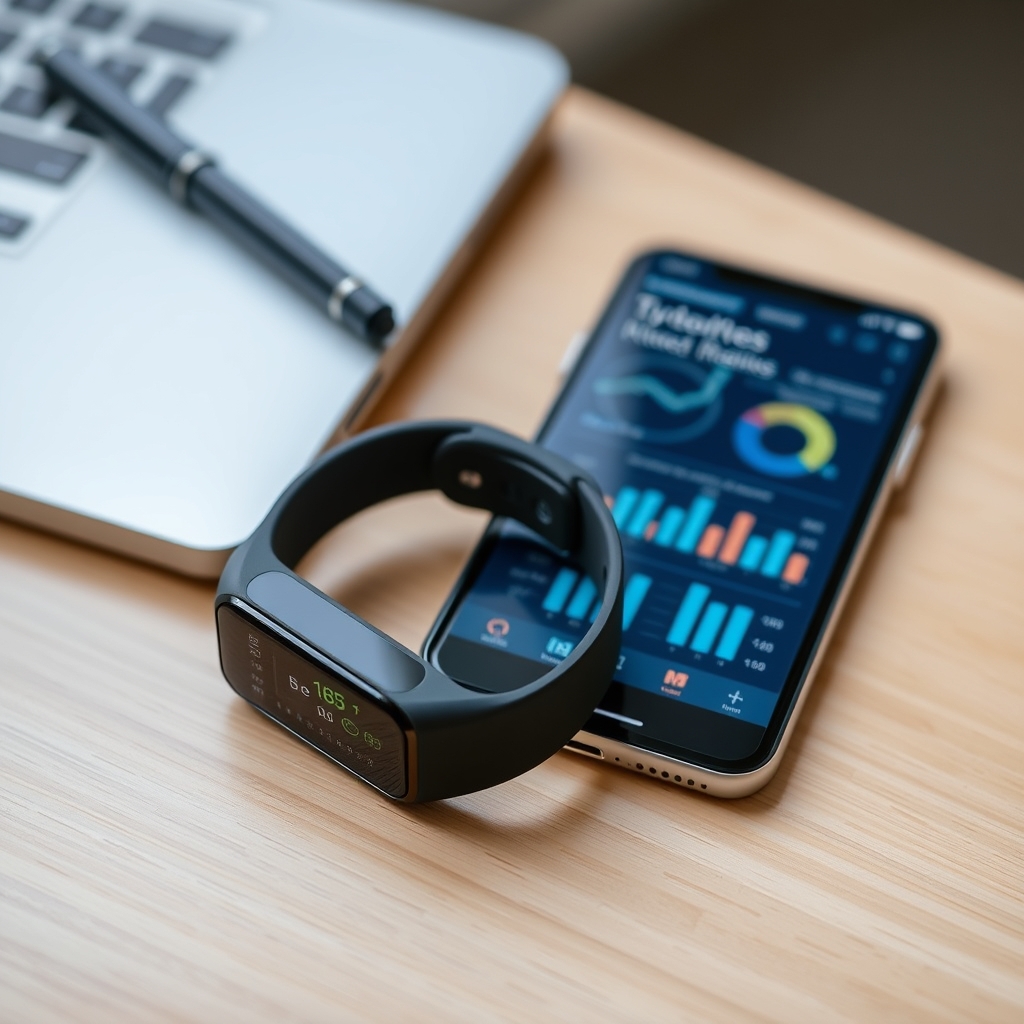
Google Unveils Fitbit Edge as Tech Giant Expands Wearable Health Monitoring Ambitions
Google has announced the launch of its latest fitness tracker, the Fitbit Edge, priced at $180. The device sits between the screenless Fitbit Air and the more advanced Pixel Watch in the company product lineup. According to Google wearable software leaders, the new tracker combines advanced health sensors into an ultra-slim design offering up to a week of battery life on a single charge.
Proactive Health Monitoring and AI Features
The Fitbit Edge features automatic workout detection, an altimeter, and proactive health monitoring tools designed to detect potential changes in blood pressure and insulin resistance trends. Rishi Chandra, general manager of health and home at Google, noted in a blog post that the company aims to shift consumer health technology from a reactive data-tracking ecosystem into a proactive, personalized daily companion.
Advanced features such as Health Guardian and Health Coach are available on the new device through a Google Health Premium subscription. The Health Guardian suite utilizes wearable sensors and artificial intelligence to identify subtle shifts in health over time. Specifically, the insulin resistance trends feature passively analyzes multi-week physiological data to estimate metabolic energy efficiency and track high or low trends without requiring a direct blood sample. Meanwhile, the blood pressure trends feature relies on WavesFM, a foundation model trained on raw heart and movement data.
Expanding App Partnerships and Integrations
Alongside the hardware release, Google announced several strategic partnerships to expand the capabilities of the Google Health app. The tech giant inked a multi-year partnership with the female health app Flo. This integration allows users to incorporate cycle, pregnancy, and menopause guidance directly into the Google Health app and AI coach. Additionally, Google and Flo plan to collaborate on dedicated research initiatives covering underserved topics such as perimenopause, polyendocrine metabolic ovarian syndrome, pregnancy, and postpartum recovery.
US users can also connect Abbott Lingo over-the-counter continuous glucose monitors to the Google Health app for unified insights spanning glucose levels, meals, workouts, and sleep. Further integrations include MyFitnessPal for daily meal and nutrition logs, and a partnership with Function Health that enables users to import clinical lab results directly into the platform.
Evolution of Consumer Health Platforms
Since acquiring Fitbit in 2021, Google has steadily evolved the brand from a basic step-counting fitness band into a more sophisticated health monitoring system. The company transition from the standalone Fitbit application to the centralized Google Health app brings together user metrics from wearable devices, Health Connect, Apple Health, and medical records into a single redesigned interface as the tech giant pursues its broader consumer health platform ambitions.